
Wahlenbergia undulata
Wahlenbergia undulata (L. f.) A. DC.
Description
Growing requirements
Wahlenbergia undulata is a herbaceous plant belonging to the Campanulaceae family. Originally native to Southern Africa, it has gained interest among botanists and plant enthusiasts for its distinct morphological features.
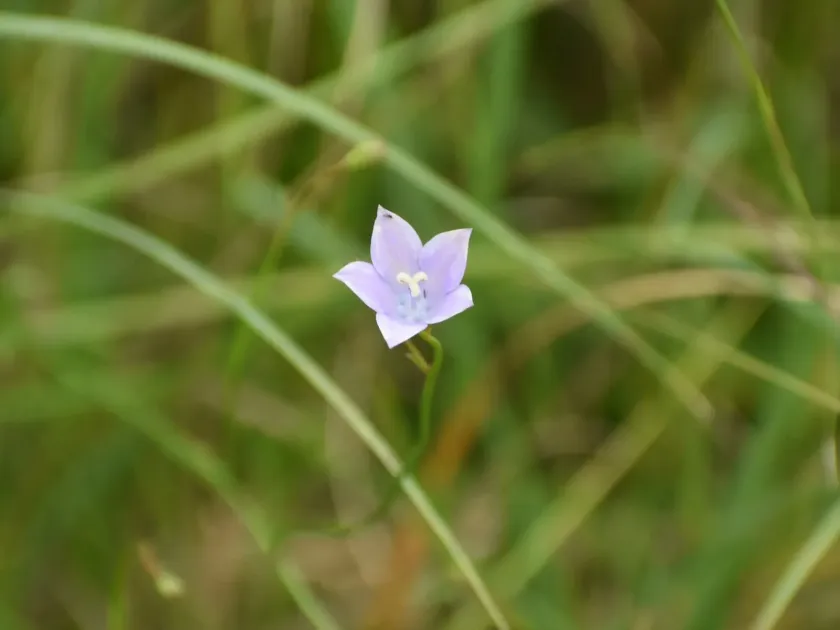
The plant is characterized by a basal rosette of leaves with notably wavy margins, which gives the species its specific name. The flowers are typically bell-shaped, presenting in various shades of blue and violet, and are arranged on slender, elegant stalks.
Regarding soil requirements, this species thrives in well-drained, sandy-loam soils. It is critical to maintain a substrate that provides excellent drainage, as the root system is highly prone to rot in waterlogged conditions.
The plant requires full sun exposure to flourish and maintain its structural integrity. In an agricultural or garden setting, placing it in an area with direct sunlight is essential for optimal growth and prolific flowering.
Climate adaptability is limited to temperate ranges. The plant generally does not tolerate frost or extreme high-temperature stress, necessitating a stable environment during its active growing season.
Main diseases and pests
The primary threats to Wahlenbergia undulata are soil-borne pathogens, particularly fungi that thrive in moist, stagnant conditions, leading to root and crown rot.
Aphids represent the most significant pest challenge. These insects colonize the tender young growth and flower buds, weakening the plant and potentially vectoring viral diseases.
Powdery mildew can also occur if the humidity levels around the foliage are too high without adequate air circulation, causing white patches on the leaf surfaces.
Preventive management includes ensuring adequate spacing between plants and monitoring irrigation carefully to avoid wetting the foliage excessively.
Integrated pest management strategies should be employed, focusing on cultural practices before relying on chemical control methods to preserve the health of the crop.