
Wahlenbergia gracilenta
Wahlenbergia gracilenta
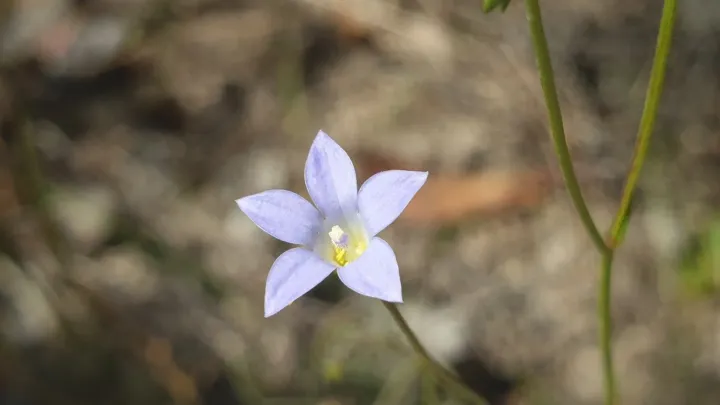
Description
Growing requirements
Wahlenbergia gracilenta is a herbaceous species belonging to the Campanulaceae family. It is native to Australia, where it thrives in diverse open habitats, showing a high degree of adaptation to variable environmental conditions.
The crop requires well-drained soil with a light texture to ensure healthy root development. It is crucial to maintain moisture levels while avoiding waterlogging, as the species is sensitive to poor drainage and anaerobic soil conditions.
Sunlight exposure is a critical factor for the growth of this species. It performs best in full sun or light partial shade, which mimics its natural ecological niche in open grasslands and scrublands.
The ideal climatic conditions involve temperate cycles, avoiding extreme heat or severe frost. Consistent watering during the germination and early growth stages is essential for establishing a robust root system.
Nutrient management should focus on balanced NPK fertilizers, avoiding excessive nitrogen which can lead to leggy growth. Periodic soil testing helps maintain the preferred slightly acidic to neutral pH level necessary for optimal nutrient uptake.
Main diseases and pests
Powdery mildew is a common fungal threat, especially in humid conditions with poor air circulation. Proper spacing between individual plants is the most effective cultural practice to mitigate the spread of this pathogen.
Root rot, primarily caused by species of Pythium or Phytophthora, represents a significant risk in poorly drained media. Disease management relies on soil sterilization and strict irrigation control to prevent saturated conditions.
Aphids can cause substantial damage to tender foliage during the active growing season. Integrated pest management strategies, such as the use of soft soaps or biological control agents, are recommended for maintaining plant health.
Spider mites are prevalent in warm, dry weather and can weaken the plants by sap-feeding. Maintaining a higher ambient humidity or using targeted miticides provides adequate control against these persistent pests.
Early detection of symptoms, such as leaf yellowing or stunted growth, is vital for successful crop management. Implementing a routine sanitation program ensures that debris is cleared, reducing the potential for disease carryover.