
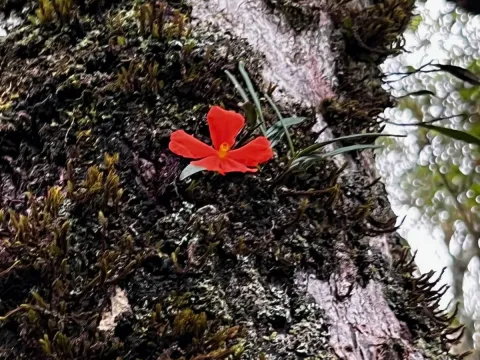
Neocogniauxia
Neocogniauxia
Neocogniauxia is a genus of miniature epiphytic orchids belonging to the Orchidaceae family. Native to the Caribbean islands, specifically Haiti and the Dominican Republic, these plants naturally thrive in high-altitude cloud forests with consistent moisture.
What the section contains


Neocogniauxia
For successful cultivation, Neocogniauxia requires high relative humidity, ideally between 70% and 80%. This mimics the cloud forest environment where these plants receive moisture primarily through fog and frequent precipitation.
The optimal temperature range is cool to intermediate. Daytime temperatures should stay between 18°C and 22°C (64°F–72°F). A significant diurnal temperature drop is necessary to trigger blooming and ensure the physiological health of the plant.
The potting medium must provide excellent drainage and aeration. A mix of fine pine bark, perlite, and sphagnum moss is recommended. Mounting these orchids on cork slabs or tree fern fiber is often preferred to prevent water stagnation around the roots.
Lighting should be bright but filtered. Avoid direct, intense sunlight which can scorch the foliage quickly. Bright, indirect light from an east-facing window or supplemental LED grow lights is sufficient for steady, vegetative growth.
Common pests include spider mites and mealybugs, which tend to infest these orchids when air humidity is too low or airflow is stagnant. These pests can rapidly weaken the plant by feeding on the sap in leaves and stems.
Fungal issues, such as root rot and leaf spotting, are the primary diseases affecting Neocogniauxia. These problems usually arise from overwatering or a lack of ventilation, which prevents the substrate from drying out properly between waterings.
To mitigate these risks, it is essential to maintain constant air movement using a small fan. This prevents stagnant pockets of moisture and helps keep the plant surfaces dry after light watering sessions.
Regular visual inspection is crucial. If pests are detected, it is recommended to use mild insecticidal soaps or neem oil solutions. Avoid harsh chemicals as miniature orchids are highly sensitive to concentrated fertilizers and pesticides.
Preventative hygiene, such as removing dead foliage and using sterile tools when pruning, helps maintain the overall health of the collection. Keeping the growing area clean reduces the presence of spores and pests significantly.