
Nodding lady's tresses
Spiranthes cernua
Description
Growing requirements
Nodding lady's tresses (Spiranthes cernua) is a hardy perennial orchid belonging to the Orchidaceae family. It is distinct among orchids for its ability to thrive outdoors in temperate gardens, provided its specific environmental needs are met.
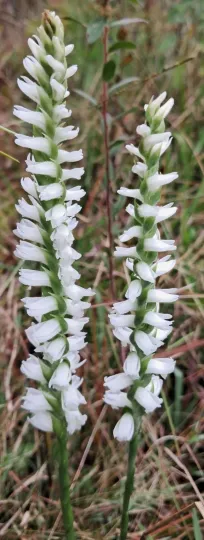
Native to North America, this plant is naturally found in moist meadows, fens, and open woodlands. Its botanical hallmark is the spiraling arrangement of tiny, fragrant white flowers that bloom in late summer and autumn.
The culture requires consistently moist, well-draining soil with a pH ranging from acidic to neutral. Establishing the correct soil structure is essential, as the plant demands moisture without the risk of stagnant water causing root rot.
When selecting a planting site, choose an area with full sun to partial shade. Protection from harsh, desiccating winds is important to prevent the foliage from drying out during the active growing season.
Standard cultivation includes maintaining a layer of organic mulch around the plants to stabilize soil moisture and temperature. Avoid heavy fertilization, as this orchid species is adapted to nutrient-poor soils and may suffer from chemical stress.
Main diseases and pests
Fungal pathogens are the primary threat, especially in conditions of poor air circulation and excessive humidity. Root rot is the most common issue, often caused by heavy or waterlogged soil compositions.
Slugs and snails present a significant risk, particularly to young shoots and emerging flower spikes. Implementing manual barriers, such as copper tape or crushed eggshells, is an effective and safe way to protect the plants.
Aphids can infest the inflorescences, causing them to wilt or deform. Monitoring is essential; if an infestation occurs, gentle spraying with water or organic insecticidal soap is typically sufficient for control.
Leaf spot diseases can occur during prolonged periods of wet weather. These are best managed by ensuring good spacing between individual plants and removing any infected foliage immediately to prevent the spread of spores.
Environmental stress, such as drought or extreme soil alkalinity, often predisposes the plant to secondary infestations. Maintaining a stable, slightly acidic growing medium is the most effective preventative measure against various plant health issues.