
Zelenkoa
Zelenkoa M. W. Chase & N. H. Williams
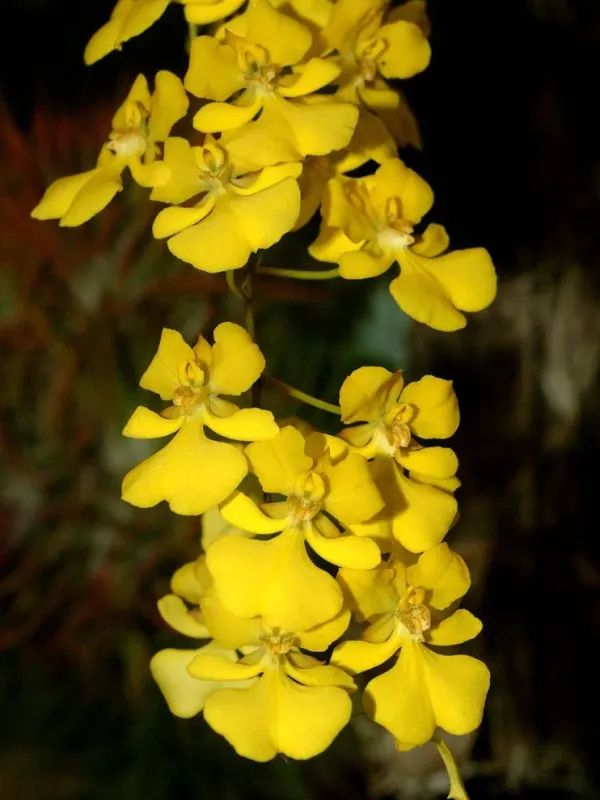
Description
Growing requirements
Zelenkoa is a genus of epiphytic orchids consisting of a single recognized species, Zelenkoa onusta. Belonging to the Orchidaceae family, this plant is highly specialized and is prized by collectors for its distinct appearance and compact growth habit.
The plant originates from the arid tropical forests of Ecuador and Peru. Unlike many other orchid varieties that require constant high humidity, this species has adapted to survive distinct dry seasons, which is reflected in its durable, succulent-like pseudobulbs.
Cultivation requires bright, indirect light to ensure healthy vegetative growth. Because it is a true epiphyte, it thrives best when mounted on cork bark or grown in baskets with a very loose, fast-draining substrate that mimics its natural habitat on tree trunks.
Temperature management is key, with a preference for moderate warmth during the day and significant cooling at night. These fluctuations are essential for the plant's metabolic processes and are often the primary trigger for initiating the flowering phase.
Watering should be frequent during the active growing season, provided there is excellent airflow to allow the roots to dry out between sessions. During the winter dormancy period, watering must be severely restricted to maintain the plant's natural life cycle and prevent stress.
Main diseases and pests
The primary threats to Zelenkoa are related to improper moisture management, specifically root rot caused by stagnant water in the root zone. Ensuring that the roots are never left in a soggy medium is the most important step in disease prevention.
Pests such as scale insects and mealybugs often target these orchids, hiding in the leaf axils and around the pseudobulbs. Their feeding can cause localized damage and sap plant vigor, making it essential to monitor the plant closely for any signs of infestation.
Spider mites can also be a significant issue in indoor environments where the air is kept too dry. These pests thrive in low humidity, and their presence can quickly lead to leaf drop and stunted development if not addressed with appropriate acaricides.
Bacterial and fungal spots are common when ventilation is poor or when water remains on the foliage for extended periods. Maintaining good air movement around the plant is the best cultural practice to minimize the risk of such infections.
When an infestation or disease is detected, prompt isolation and treatment are required to protect the rest of the orchid collection. Using systemic treatments is generally effective, provided the plant is also transitioned to a healthier growth environment.