
Japanese yellow water lily
Nuphar japonica
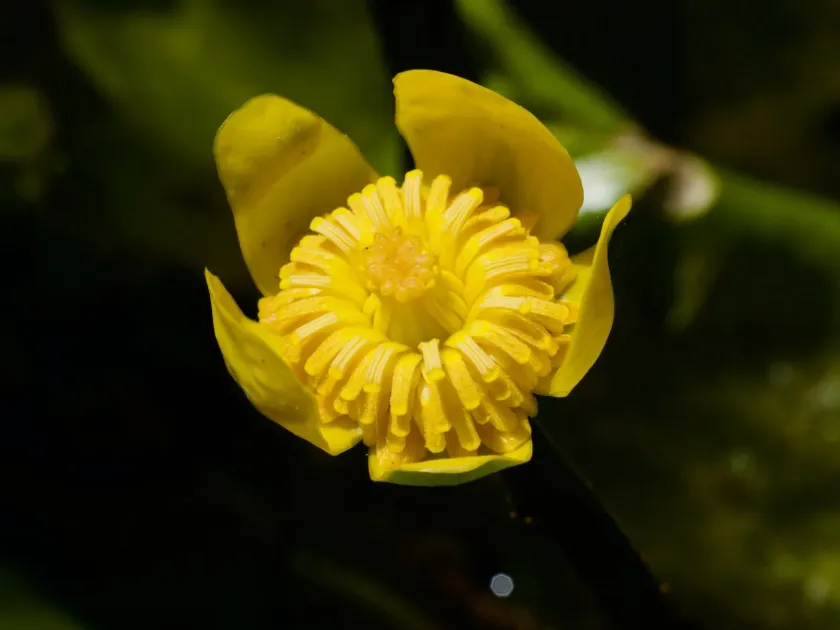
Description
Sowing dates
The propagation of Nuphar japonica is primarily performed through the division of rhizomes, which should be done in early spring as the water temperatures rise.
When dividing, it is crucial to ensure that each section has several healthy growth buds to guarantee successful establishment in the new environment.
Planting depth is a critical parameter; specimens should be secured in the substrate at a depth that balances water pressure with leaf emergence requirements.
While seed propagation is biologically possible, it requires specific stratification protocols and a stable nursery environment, making it less popular than vegetative cloning.
Containers used for planting should be large enough to accommodate horizontal growth of the rhizome and filled with a rich clay-based potting mix.
Growing requirements
Nuphar japonica is a member of the Nymphaeaceae family, adapted to thrive in permanent aquatic environments across East Asia.
The plant requires a nutrient-dense substrate such as loam or rich silt, which provides the necessary minerals for the development of floating and submerged leaves.
While tolerant of various light conditions, the species prefers full sun exposure to maintain vigorous growth and abundant flowering cycles during the season.
Water quality parameters, including pH levels and nitrogen content, should be monitored to prevent the accumulation of toxic compounds in the sediment.
The species prefers stagnant or slow-moving water, which allows the root system to remain undisturbed and effectively absorb nutrients from the benthic zone.
Main diseases and pests
The primary threats to this aquatic species are leaf-eating beetles, which can cause significant damage to the plant's photosynthetic surface.
Fungal diseases, such as leaf spot, may occur if the water circulation is inadequate or if there is an excess of decaying organic matter in the pond.
Aphid infestations can occur on the above-water floral parts, especially during dry and warm periods, requiring careful observation.
Preventative maintenance involves removing dead plant tissue from the water surface to reduce the risk of disease transmission and oxygen depletion.
In smaller ponds, human intervention and physical removal of pests remain the most effective and eco-friendly control strategies for this ornamental crop.