
Zelglossoda
x Zelglossoda J. M. H. Shaw
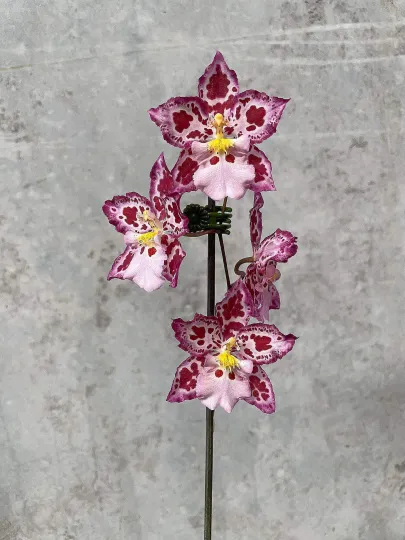
Description
Growing requirements
Zelglossoda (lat. x Zelglossoda) is a sophisticated intergeneric hybrid belonging to the Orchidaceae family. It is a cross-breeding result involving Zelenkoa and Glossodia genera, which requires a specific approach to cultivation due to its complex genetic background.
The plant is primarily an epiphyte, demanding a highly breathable growing medium. A mixture of high-quality pine bark, perlite, and a small amount of charcoal is highly recommended to mimic natural growing conditions and ensure optimal drainage for the root system.
Light requirements are significant for this orchid. It thrives in bright, filtered light. During peak growing seasons, it is vital to ensure that the plant receives consistent light levels without direct exposure to harsh, scorching sunlight which can damage the foliage tissue.
Environmental temperature management is a key factor in keeping the plant healthy. Zelglossoda prefers moderate temperatures, ideally between 20°C and 25°C during the day. A slight cooling effect during the night helps the plant manage its metabolism and encourages the development of new flower spikes.
Humidity levels should be maintained consistently between 60% and 70%. In indoor environments, where air can often be dry, utilizing humidifiers or pebble trays is essential to provide the microclimate that the plant requires to sustain its turgor and metabolic activity.
Main diseases and pests
The most dangerous threats to Zelglossoda include root rot and fungal infections, usually triggered by poor drainage or excessive stagnant water. Maintaining a balanced watering schedule is crucial to prevent these pathogens from colonizing the root zone.
Pest issues commonly involve spider mites and mealybugs, which are particularly attracted to the hybrid's soft tissue. Early detection is vital for effective management. Using insecticidal soaps or neem oil is often sufficient to keep these pests under control if intervention occurs at the first sign of infestation.