
Cipura campanulata
Cipura campanulata
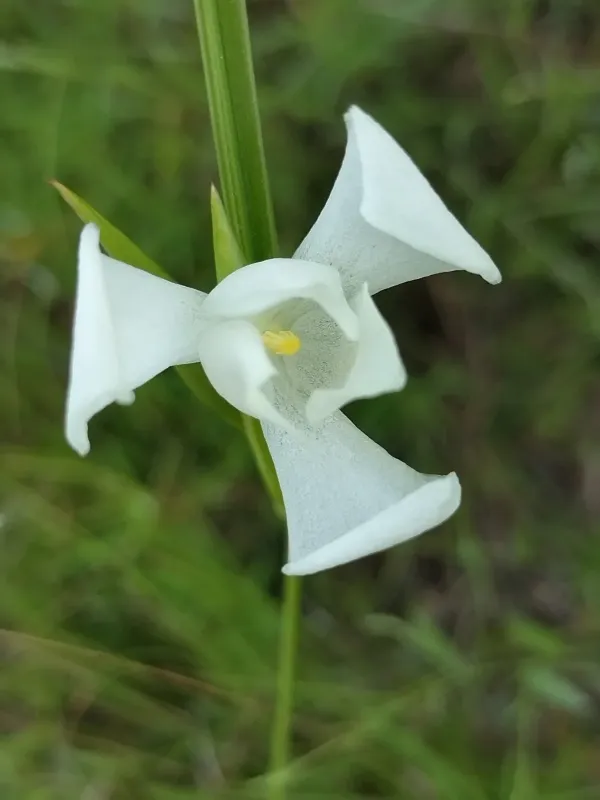
Description
Growing requirements
Cipura campanulata is a perennial bulbous plant belonging to the Iridaceae family. Native to tropical regions of Central and South America, this plant is recognized for its unique, delicate bell-shaped flowers and specialized environmental needs.
The culture thrives in well-drained, fertile soil that maintains a slightly acidic to neutral pH. Proper soil aeration is critical for the development of the bulbs, as they are prone to respiratory stress if the growing medium is compacted or waterlogged for extended periods.
As a tropical species, it requires bright but filtered light to mimic the dappled light of forest understories. Direct, intense sunlight can cause desiccation and yellowing of the foliage, so maintaining appropriate light intensity is vital for plant vigor.
Climate requirements include a stable, warm environment with temperatures consistently above +20 degrees Celsius. It does not tolerate frost, making it suitable exclusively for greenhouse or indoor cultivation in non-tropical climatic zones.
Botanically, it features a cluster of basal, lanceolate leaves and tall, elegant scapes. The bell-shaped flowers typically open for a short duration, exhibiting the hallmark structural characteristics of the Iris family while offering a distinct aesthetic appeal for specialized collectors.
Main diseases and pests
The primary threats to Cipura campanulata involve fungal pathogens that target the bulbous structure. These diseases are most prevalent in conditions with poor drainage, often resulting in basal rot that compromises the entire plant’s integrity.
Common indoor pests, specifically spider mites and thrips, pose a significant risk to the plant's foliage. These pests thrive in dry air environments, often occurring when greenhouse humidity levels are allowed to drop below the optimal threshold for the species.
Integrated pest management strategies should focus on maintaining adequate ambient humidity and conducting bi-weekly visual inspections of the undersides of the leaves. Early detection is essential to prevent rapid colony establishment of sucking insects.
Chemical control should be approached with caution, utilizing systemic fungicides for rot prevention and selective miticides for pest outbreaks. It is recommended to test treatments on a single leaf before applying to the entire specimen to avoid phytotoxicity.
Cultural practices, including proper substrate sterilization and avoiding water accumulation on the bulb crown, are the most effective preventive measures. Maintaining healthy growing conditions ensures that the plant remains resilient against potential biotic stresses.