
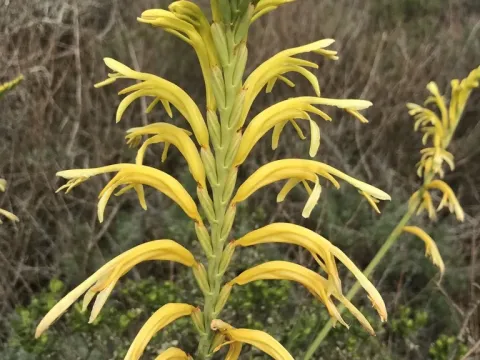
Chasmanthe
Chasmanthe N. E. Br.
Planting Chasmanthe bulbs in open ground is carried out in the spring once the soil has sufficiently warmed and the danger of frost has passed. In regions with a mild climate, autumn planting is possible to ensure early spring flowering.
What the section contains

Chasmanthe
The planting depth for bulbs is typically 8–12 centimeters, depending on the soil composition. Planting too deeply may delay growth, while shallow planting can leave bulbs vulnerable to temperature fluctuations.
The distance between plants should be at least 15–20 centimeters to ensure proper air circulation. This is crucial for preventing the development of fungal diseases in dense plantings.
Before planting, it is recommended to treat the bulbs with a fungicide solution to protect them against soil-borne infections. It is also beneficial to add some wood ash or a balanced mineral fertilizer to the planting hole.
After the flowering cycle is complete and the foliage has naturally yellowed, bulbs in regions with harsh winters must be excavated and stored in a cool, dry place until the next growing season.
Chasmanthe is an attractive perennial cormous geophyte from the Iridaceae family, native to South Africa. The plant prefers sunny, sheltered areas where it can reach its full decorative potential.
Successful cultivation requires light, well-drained, fertile loam or sandy soils. Waterlogging in the root zone is detrimental to the crop and often leads to the rotting of the bulb's basal plate.
The optimal temperature range for active vegetation is between 18 and 25 degrees Celsius. The plant is sensitive to freezing temperatures, so it requires covering or excavation when soil temperatures drop below critical levels.
During the period of intensive growth, Chasmanthe requires regular but moderate irrigation. The soil must be allowed to dry out slightly between waterings to avoid excessive moisture that triggers root rot.
The plant responds well to fertilization with complex fertilizers during the active flower spike formation phase. Using formulas with higher levels of potassium and phosphorus is recommended to strengthen the bulbs.
The primary pests for Chasmanthe are thrips and spider mites, which can damage leaves during hot and dry spells. Regular inspection of the plants and the use of insecticides help to quickly localize any infestations.
Among diseases, fungal rots such as Fusarium and grey mold are the most dangerous, caused by poor soil drainage. Preventive measures include strictly adhering to the watering schedule and avoiding compacted soils.
Wireworm damage to bulbs can also be a significant threat in open-field cultivation. Using soil insecticides during the planting process effectively reduces the population of harmful soil-dwelling larvae.
To prevent the spread of viruses that cause leaf deformation and floral discoloration, infected specimens must be removed promptly. All pruning tools should be disinfected between plants.
Adhering to crop rotation and avoiding the use of contaminated planting material remain the best methods for disease management. A healthy growing environment significantly improves the natural immunity of the plant.