
Weldenia
Weldenia
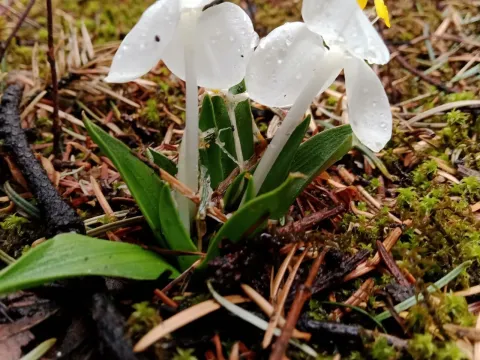
Weldenia (Weldenia candida) is a monotypic genus of perennial herbaceous plants belonging to the Commelinaceae family. As the only species within its genus, it holds a unique position in botany and is highly valued by collectors of rare alpine flora.
What the section contains

Weldenia
The plant originates from the high-altitude regions of Mexico and Guatemala. Its native habitat comprises alpine meadows, where the climate is characterized by sharp temperature fluctuations and distinct seasonal variations that influence the plant's growth cycle.
Cultivation of this species requires a specialized approach, specifically concerning soil composition. The medium must be extremely well-draining, consisting of grit, sand, and organic matter to prevent water accumulation, which is detrimental to its fleshy roots.
Regarding climate requirements, Weldenia needs cool temperatures and abundant light. Providing sufficient air circulation is critical, as stagnant, humid air often leads to physiological stress and subsequent decline in plant health.
The primary use of Weldenia is ornamental. It is primarily found in specialized rock gardens, alpine houses, or botanical research collections, requiring constant monitoring by the grower to simulate its natural high-altitude environmental conditions.
The most significant threat to Weldenia is root rot, typically caused by waterlogged soil conditions. Due to the plant's sensitivity, even brief periods of excessive soil moisture can trigger rapid tissue decay and fungal infections.
Common horticultural pests, such as spider mites, may infest the plant if it is kept in an environment with low humidity and high temperatures. Maintaining proper ventilation and monitoring the leaf undersides are essential preventative measures against such infestations.