
Weldenia candida
Weldenia candida
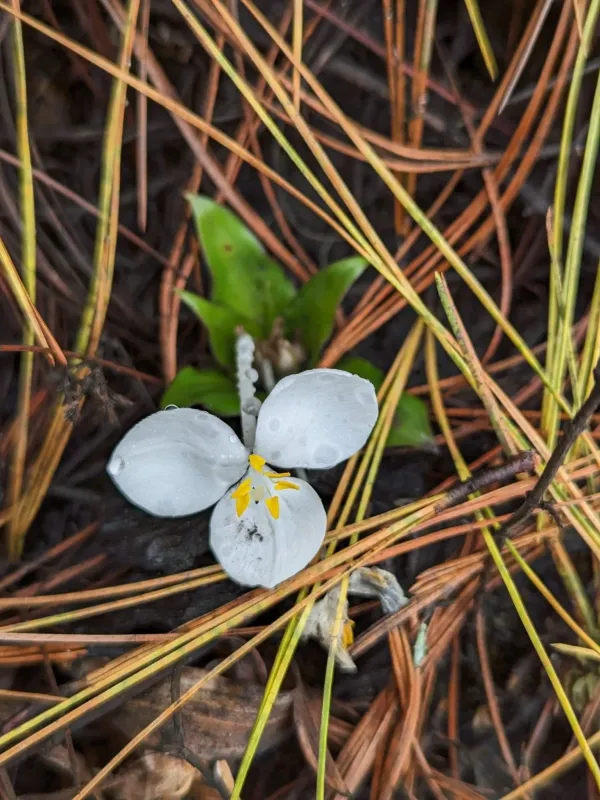
Description
Sowing dates
Weldenia candida is a unique member of the Commelinaceae family, recognized for its rare, high-altitude botanical characteristics. Cultivating this species requires imitating its native alpine conditions.
Seed propagation necessitates a cold stratification period to break dormancy. Sowing should occur in a well-draining, grit-based medium during late winter or early spring.
Seedlings develop slowly, requiring a consistent environment with moderate temperatures ranging from 15 to 18 degrees Celsius to establish a strong root system.
Vegetative propagation via rhizome division is best performed during the plant's dormancy phase to ensure minimal stress and successful establishment in the new medium.
Maintaining high hygiene standards during sowing is critical, as the delicate seedlings are highly susceptible to competition from algae or moss in the seed tray.
Growing requirements
This species originates from the high-altitude regions of Mexico and Guatemala, which dictates a requirement for cool, airy conditions and intense, filtered light.
The soil profile must be extremely lean, consisting primarily of gravel, crushed rock, and minimal organic matter. Nutrient-rich soils are detrimental to the plant's health.
Excellent drainage is non-negotiable. Stagnant moisture around the crown of the plant will almost certainly lead to rapid decay and death of the specimen.
Proper airflow is essential for the health of Weldenia candida. Good ventilation prevents excessive humidity build-up within the dense leaf clusters during the growing season.
The plant thrives best in alpine conditions where day and night temperatures fluctuate significantly, helping the plant maintain its characteristic compact growth habit.
Main diseases and pests
Root rot is the most common and fatal issue, typically triggered by overwatering or the use of heavy, water-retentive potting substrates that do not allow for aeration.
Mealybugs are the primary pest threat, often lodging deep within the leaf axils where they remain protected from surface contact, requiring systemic control measures.
Insufficient light levels during the shorter winter days can lead to weak, elongated growth, making the plant significantly more vulnerable to pathogen attacks.
Fungal leaf spots may occur if high humidity is combined with poor air circulation, necessitating the use of systemic fungicides during the active growth period.
Prevention is the best strategy for Weldenia candida; keeping the crown dry and ensuring the potting mix remains gritty is the foundation of effective plant health management.