
Pollia
Pollia
The sowing of Pollia seeds is best conducted during the spring months once soil temperatures have stabilized. It is recommended to use a lightweight, peat-based substrate that facilitates efficient aeration.
What the section contains

Pollia
Seeds should be sown on the surface rather than buried, as they require light to germinate effectively. Maintaining a consistent ambient humidity is crucial for the survival of emerging seedlings.
Vegetative propagation via division is often preferred to maintain the consistency of the parent plant. This method is faster and yields more robust plants compared to seed-based propagation.
Young plants should be kept in a controlled nursery environment during their early stages of growth to shield them from environmental stressors such as fluctuating winds.
Acclimatization to the final planting location should be gradual, ensuring the plant develops a healthy root system before it is fully exposed to outdoor elements.
Pollia belongs to the Commelinaceae family and is native to tropical rainforest regions. Consequently, it requires shaded conditions where bright but indirect light is available.
The soil must be rich in organic matter and possess excellent moisture-retention properties. A neutral to slightly acidic pH range is generally optimal for nutrient absorption in this culture.
Climate requirements include consistently warm temperatures and high air humidity. Pollia is highly intolerant of frost, necessitating climate control when cultivated in non-tropical regions.
Water management is critical; the soil should remain moist to the touch but never waterlogged. Providing proper drainage is essential to prevent root asphyxiation during the growth cycle.
Nutrient supplementation should be carried out during the growing season using balanced fertilizers. This ensures vibrant foliage and healthy development of the plant's structural tissues.
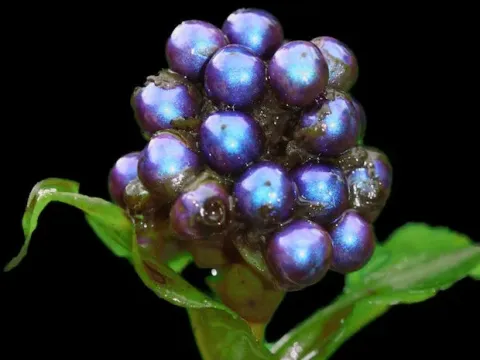
While Pollia is primarily grown for its ornamental value rather than commercial harvestable produce, healthy cultivation yields a high density of foliage and unique, colorful fruits.
The production of seeds is limited but possible under optimal greenhouse conditions. These seeds are valuable for further propagation and collection development.
Growth yield is measured by the biomass increase and the aesthetic performance of the leaves. High-quality specimens are achieved through strict adherence to shade and humidity protocols.
In selective environments, the fruit of the plant is noted for its intense, metallic blue coloration, which is of interest for biological research and artistic botanical collections.
Proper harvest of plant material for decorative purposes should be performed using sterile tools to maintain the vitality of the parent colony for the subsequent season.
Spider mites are the most prevalent pest for Pollia, especially in dry environments. These pests can rapidly compromise the health of the leaves by feeding on cell contents.
Root rot, driven by fungal pathogens such as Pythium, poses the most significant threat to the plant's overall viability. Overwatering and poor soil aeration are the primary drivers of this issue.
Mealybugs are another common nuisance, frequently found in leaf axils. If left untreated, they can lead to leaf deformation and stunted growth across the entire specimen.
Fungal leaf spots occur primarily due to stagnant air and high moisture levels on foliage. Ensuring proper air circulation is essential for mitigating the risk of spreading such infections.
Effective pest management is best achieved through preventative measures, including routine visual inspections and maintaining a clean, well-ventilated growing area.