
Palisota hirsuta
Palisota hirsuta
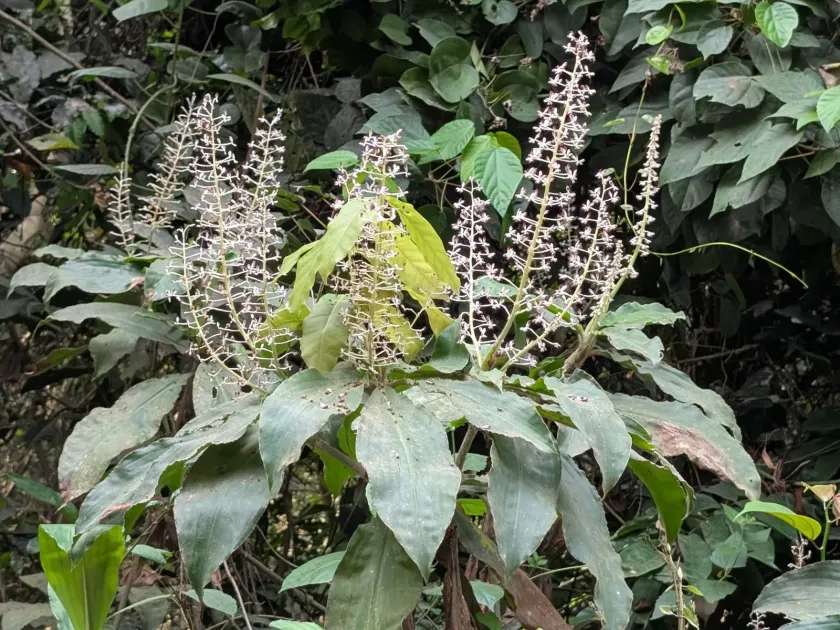
Description
Growing requirements
Palisota hirsuta is a perennial herb belonging to the Commelinaceae family. Originating from the tropical rainforests of West and Central Africa, it is known for its distinct hairy foliage and robust growth habit in forest understories.
The plant thrives in soil rich in organic matter, preferring moist and well-draining conditions. In its native habitat, it grows in shaded areas, making it sensitive to intense sunlight which can scorch its large leaves.
Agricultural success with this species depends on maintaining a tropical microclimate. Optimal temperatures range between 20°C and 28°C, and the plant requires high relative humidity to maintain its physiological processes throughout the year.
Proper irrigation management is essential. The soil should remain consistently moist but never waterlogged. During periods of lower ambient humidity, regular misting of the foliage is recommended to replicate the forest environment.
Beyond its decorative potential, the plant has significant value in local traditional systems of medicine. Some parts of the plant are harvested for their therapeutic properties, supporting its role as a specialized minor crop in its native regions.
Main diseases and pests
The primary threats to Palisota hirsuta include fungal pathogens that develop under conditions of poor ventilation and excessive moisture. Root rot is a common issue when drainage systems fail to remove surplus water.
Pests such as spider mites and mealybugs can cause severe damage by feeding on plant sap. These pests often proliferate when the air around the plant is too dry, making humidity control a key part of pest management.
Infestations require prompt intervention using appropriate biological or chemical controls. Farmers should carefully observe the underside of leaves and stems to detect pest presence early, preventing outbreaks that could stunt plant growth.
Sanitation practices are vital to minimize disease pressure. This includes the removal of dead or decaying foliage and ensuring that tools are cleaned to prevent the transfer of pathogens between individual plants.
Fostering healthy plant growth through adequate nutrition and proper placement is the best defense against threats. Healthy plants exhibit higher resistance to both insect attacks and opportunistic fungal infections throughout the growing season.