
Japanese Pollia
Pollia japonica
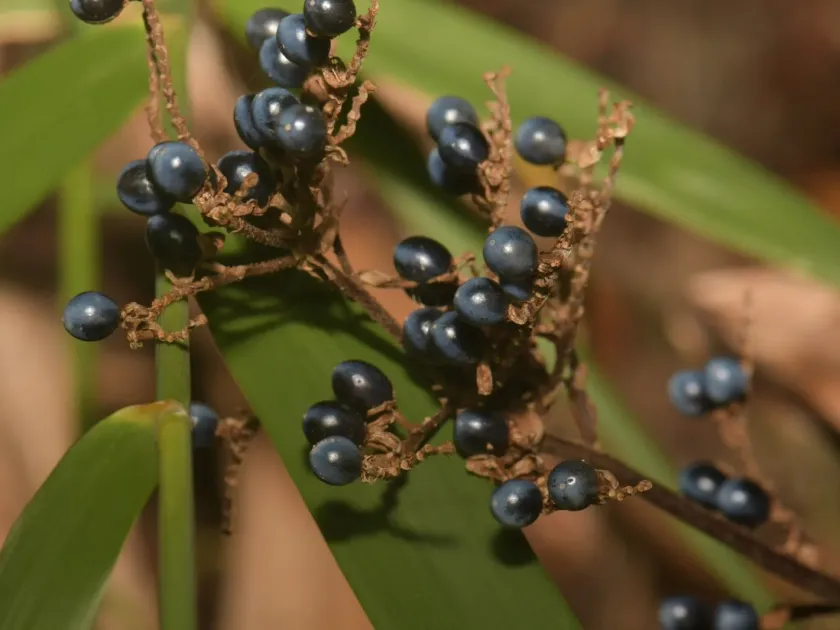
Description
Growing requirements
Japanese Pollia (Pollia japonica) is a herbaceous perennial plant belonging to the Commelinaceae family. Native to East Asia, it typically inhabits temperate forests and moist, shaded environments, thriving under the canopy of larger trees.
Botanically, this species is characterized by its broad, lance-shaped leaves and upright stems. Its growth habit makes it an excellent choice for ground cover in shady garden sections, providing a lush green aesthetic during the summer months.
The cultivation of this plant requires moisture-retentive, nutrient-rich, and well-draining soil. It performs best in conditions that mimic its natural forest habitat: high humidity and protection from direct, intense sunlight which can scorch the delicate foliage.
In terms of temperature, it is moderately hardy but requires protection during freezing winter months. Applying a layer of organic mulch around the base of the plant helps maintain soil temperature and prevents the roots from undergoing rapid freeze-thaw cycles.
Agronomic practices for Japanese Pollia involve consistent monitoring of soil moisture. Supplemental watering is crucial during dry spells to ensure the plant maintains its vigor and visual appeal throughout the growing season.
Main diseases and pests
Slugs and snails are the primary threats to the foliage of Japanese Pollia, especially in damp, shaded settings. Implementing physical barriers or organic deterrents is often the most effective strategy to keep the plant damage-free.
Fungal diseases like leaf spot and powdery mildew can occur if there is insufficient airflow around the plants. Proper spacing and avoiding overhead watering help keep the leaves dry and prevent the development of these pathogenic conditions.
Root rot is a significant danger if the soil drainage is poor. Ensuring the soil has adequate aeration and avoiding waterlogged conditions is essential for the long-term health and survival of the perennial clumps.
Aphids may occasionally target the developing flower stalks. While they are usually a minor nuisance, heavy infestations can weaken the plant; horticultural soaps or neem oil are generally sufficient for effective management.
Maintaining a clean garden environment by removing fallen debris and dead foliage at the end of the season reduces the habitat for pests and pathogens, keeping the planting area healthy for the following year.