
Palisota elizabethae
Palisota elizabethae
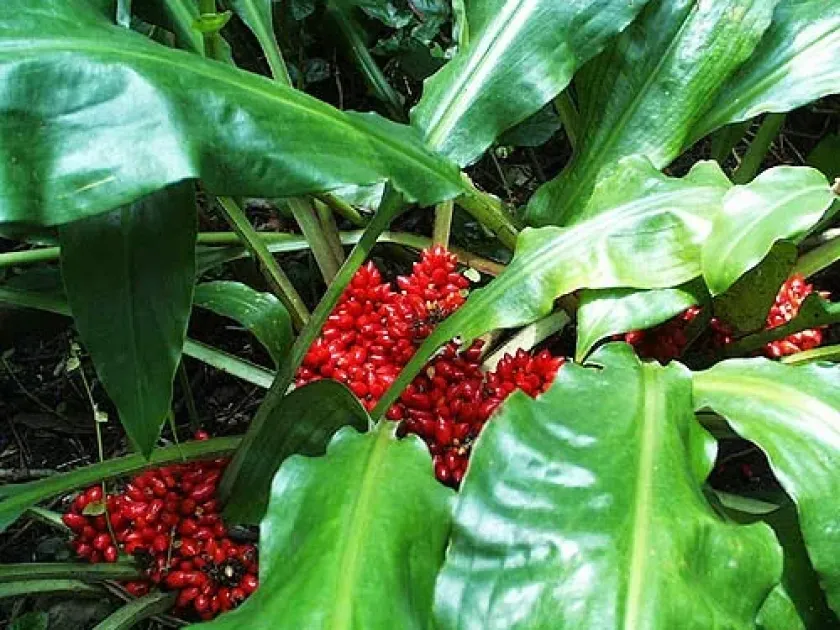
Description
Growing requirements
Palisota elizabethae is a perennial herbaceous plant belonging to the Commelinaceae family. This species originates from the tropical rainforests of West Africa, where it thrives in shaded areas with high humidity and consistent tropical temperatures.
The optimal growth environment for this culture requires bright, indirect light. Exposure to intense direct sunlight will damage the leaf tissue, leading to discoloration and necrosis. Ideally, the plant should be placed in locations with filtered natural light.
Temperature requirements are strictly tropical, ranging from 20°C to 26°C. The plant is highly sensitive to cold spells and drafts; even brief exposure to temperatures below 15°C can cause significant physiological stress and leaf drop.
Soil composition should prioritize moisture retention while maintaining excellent drainage. A mix of peat, perlite, and organic leaf mold provides the best balance of nutrients and aeration required for the healthy development of the root system.
Maintenance of high humidity is essential for the aesthetic appeal of Palisota elizabethae. In arid indoor conditions, utilizing pebble trays filled with water or mechanical humidifiers helps prevent the margins of the foliage from browning.
Main diseases and pests
Pest management focuses primarily on controlling spider mites and mealybugs, which are common in indoor environments. Regular inspections of the leaf undersides are recommended, as these pests tend to congregate in concealed, humid areas.
Fungal pathogens such as Rhizoctonia or Pythium may develop in waterlogged soil. To prevent these threats, it is critical to ensure proper container hygiene, sufficient drainage, and adequate air circulation around the base of the plant.