
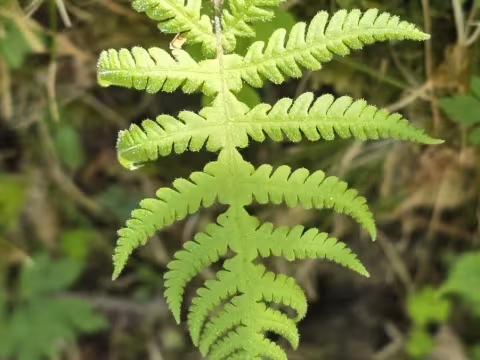
Phegopteris
Phegopteris
Phegopteris is a genus of perennial ferns belonging to the Thelypteridaceae family. These plants are native to temperate forests throughout the Northern Hemisphere, where they thrive in shaded environments.
What the section contains


Phegopteris
The plant features a creeping rhizome that allows it to spread effectively across the forest floor. Its fronds are typically triangular in shape and pinnatifid, giving the plant a distinct, delicate appearance.
To cultivate Phegopteris successfully, one must provide moist, well-draining soil rich in organic matter. The fern is particularly sensitive to soil compaction and prefers loose, loamy growing mediums.
Regarding climate, these ferns require high humidity and protection from harsh, direct sunlight. Shade or partial shade is essential to prevent the fronds from scorching and to maintain the plant's aesthetic value.
Agrotechnical practices include regular irrigation during dry spells and consistent mulching with leaf mold or compost. This practice mimics the natural leaf litter found in its native woodland habitat.
Phegopteris is generally robust, but it can be susceptible to fungal infections like leaf spot if the foliage remains wet for extended periods in environments with poor air circulation.
Slugs and snails are the most common pests, as they find the tender, young fronds of the fern highly attractive. They can cause significant aesthetic damage if not controlled.
Managing the plant involves preventing waterlogged conditions, which encourages root rot and creates an ideal environment for moisture-loving pests and disease pathogens.
Integrated pest management in a garden setting involves keeping the surrounding area free of debris and using physical barriers or organic deterrents to protect the delicate fronds from mollusks.
Regular monitoring of the foliage health is recommended. If signs of distress appear, affected fronds should be promptly removed to prevent the spread of potential pathogens to the rest of the colony.