
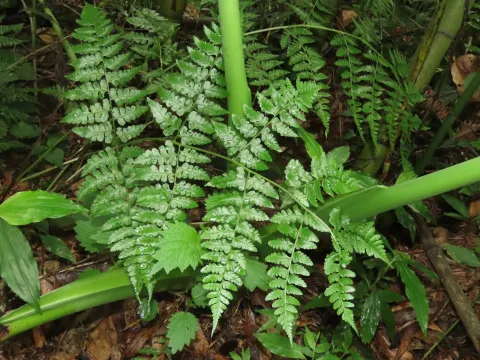
Rhachidosorus
Rhachidosorus
Rhachidosorus is a genus of perennial herbaceous plants belonging to the Athyriaceae family. These ferns are primarily valued for their aesthetic appeal and botanical significance rather than commercial agricultural production, often being found in shaded forest ecosystems.
What the section contains

Rhachidosorus
The native range of this genus is concentrated in the forests of East Asia. These regions provide the necessary environment for the plants, characterized by temperate to subtropical climates with consistently high humidity levels throughout the growing season.
Soil requirements for Rhachidosorus emphasize a well-draining, nutrient-rich substrate. The plants thrive in slightly acidic to neutral soils that are high in organic matter, mimicking the forest floor environments where they have naturally evolved to propagate.
Climate needs are specific: the plants require cool to moderate temperatures and protection from direct sunlight. Excessive heat and dry air are the primary limiting factors that prevent these ferns from flourishing in exposed garden settings without artificial microclimate control.
Cultivation practices involve maintaining stable moisture levels and avoiding soil compaction. Growers often use heavy mulching with leaf mold to replicate natural decay processes, which provides essential nutrients and helps to regulate soil temperature.
Environmental stressors pose the most significant risk to Rhachidosorus. Prolonged drought conditions lead to rapid desiccation of the fronds, which can jeopardize the overall health of the root system if the stress persists for an extended period.
Fungal pathogens represent a threat under conditions of poor air circulation and excessive moisture. These conditions can favor the development of crown rot or leaf spots, requiring prompt removal of infected tissues and improvement of drainage systems.
Pests such as spider mites and aphids may infest the plants during warmer spells. Integrated pest management strategies, emphasizing biological controls, are preferred over synthetic pesticides to preserve the delicate balance of the fern's environment.
Fertilizer sensitivity is a noted physiological issue for many ferns. Excessive application of chemical fertilizers can result in nutrient burn, so it is recommended to apply dilute organic liquid fertilizers sparingly during the active growth period.
Habitat loss remains the ultimate threat to the wild populations of Rhachidosorus. Conservation of mountainous forest areas is essential to ensure that these unique ferns continue to survive and reproduce within their native ecosystems.