
Phegopteris decursive-pinnata
Phegopteris decursive-pinnata
Description
Growing requirements
Phegopteris decursive-pinnata belongs to the Thelypteridaceae family and is a robust perennial fern native to East Asia. It naturally thrives in damp forest floors and along riverbanks, showcasing its preference for high-humidity environments and sheltered growing conditions.
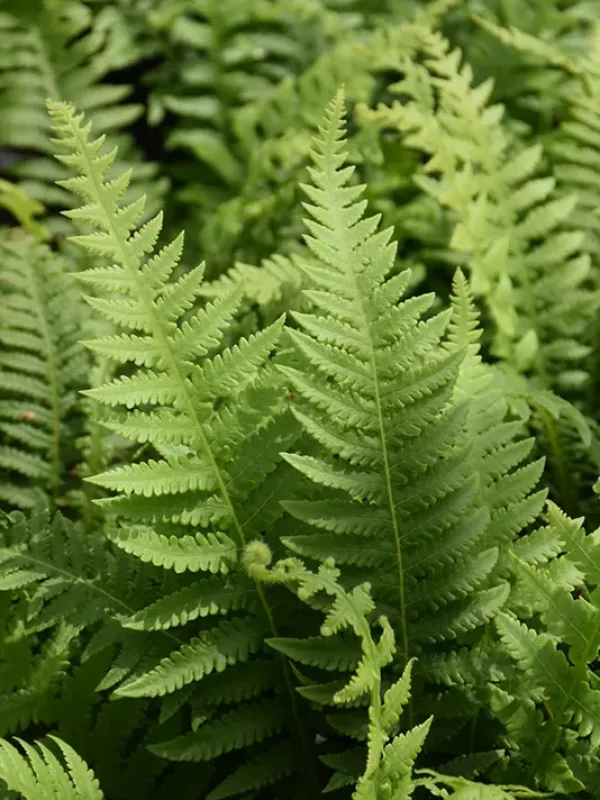
Botanically, this fern is characterized by its long, creeping rhizomes that allow it to spread across the forest floor effectively. The fronds are distinctive for their decurrent pinnae, meaning the leaflets extend downward along the central stalk, creating a unique and elegant foliage structure.
When cultivated, the plant requires a shaded or semi-shaded location to thrive. It is sensitive to direct sunlight, which can scorch the delicate fronds; therefore, it is best placed under the canopy of deciduous trees or in north-facing garden zones.
Soil requirements are relatively specific: the plant demands nutrient-rich, humus-heavy soil with an acidic to neutral pH. Proper drainage is essential to prevent waterlogging of the rhizomes, even though the plant prefers to remain consistently moist throughout the growing season.
Garden management involves regular irrigation during dry spells and occasional division of the rhizomes. This practice not only multiplies the plants but also ensures that the fern patch remains vigorous and maintains its aesthetic appeal over several years.
Main diseases and pests
The primary threats to this fern are environmental stress factors, particularly prolonged drought or soil compaction. Both conditions weaken the plant's resistance, making it more prone to secondary bacterial or fungal infections.
Pests such as slugs and snails are the most common enemies in damp, shaded environments, as they feed on the soft, young fronds of the fern. Maintaining clean surroundings and using physical barriers can help protect the plants from such damage.