
Rohdea japonica
Rohdea japonica (Thunb.) Roth
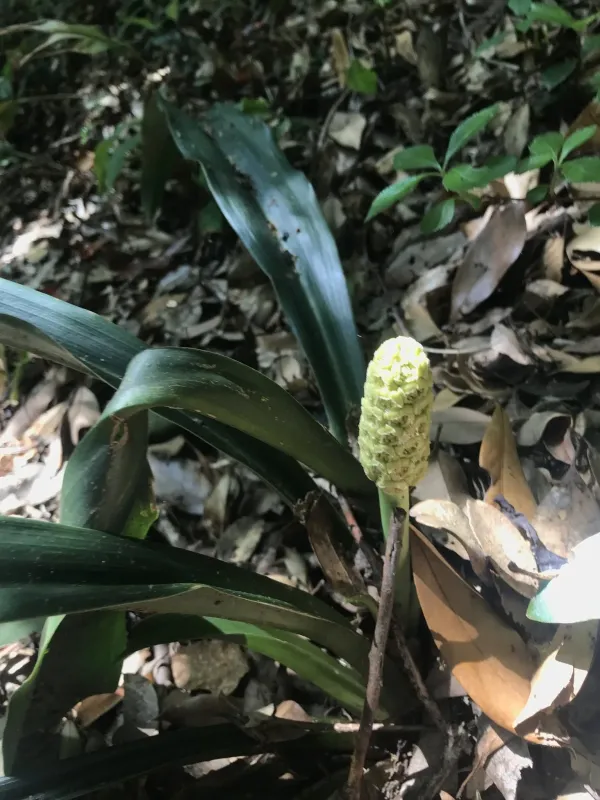
Description
Growing requirements
Rohdea japonica, commonly known as the sacred lily, is a perennial herbaceous plant belonging to the Asparagaceae family. It is native to the forests of Japan, China, and Korea, where it thrives in shaded, moist environments.
The plant is defined by its thick, fleshy rhizomes and basal rosettes of broad, leathery, dark green leaves. It is highly valued for its evergreen nature, maintaining foliage throughout the year in appropriate climates.
Successful cultivation of Rohdea japonica requires specific environmental conditions, primarily deep shade or semi-shade. Direct sunlight exposure should be avoided as it leads to leaf bleaching and tissue damage.
The soil must be rich in organic matter and possess excellent drainage capabilities. A well-aerated potting mix containing leaf mold, pine bark, and peat moss is recommended to simulate its natural woodland habitat.
Horticulturally, this species is highly prized for its ornamental value. It is often grown in containers as a showpiece plant, particularly in traditional Japanese-style gardens where its steady growth habit is appreciated.
Main diseases and pests
Root rot is the primary physiological threat to Rohdea japonica, usually caused by stagnant water in the soil due to improper irrigation or drainage failure.
Pest pressures often involve common greenhouse insects such as scale insects or spider mites, which thrive in environments where air circulation is restricted.
Management strategies should focus on preventive measures, including proper spacing and maintaining optimal humidity levels to reduce stress on the plant.
If infestations occur, targeted application of neem oil or mild horticultural soaps is effective for managing minor pest outbreaks without damaging the foliage.
Maintaining a clean growing environment and monitoring for early signs of leaf discoloration are essential steps to ensure the long-term health of the plant.