
Bentinckia nicobarica
Bentinckia nicobarica
Description
Growing requirements
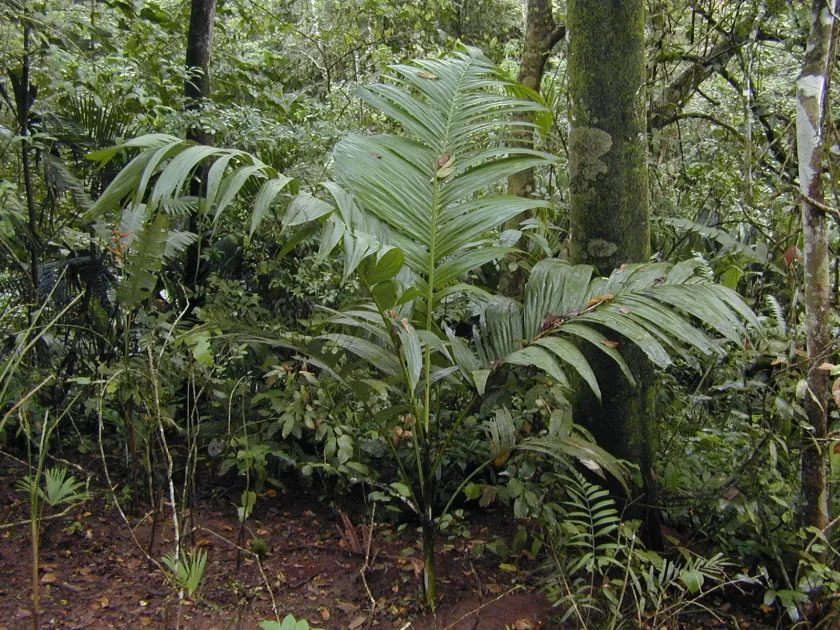
Bentinckia nicobarica is a stately palm species belonging to the Arecaceae family. It is endemic to the Nicobar Islands, where it thrives in lush, humid tropical forest environments.
This palm species requires a tropical climate to grow effectively. It demands consistently high temperatures and cannot tolerate frost or prolonged exposure to cold temperatures, which makes its cultivation limited to specific geographical zones.
The soil must be well-draining, rich in organic matter, and slightly acidic. Proper drainage is the most vital factor in the plant's health, as the roots are highly susceptible to rot if water persists in the substrate for long periods.
Agricultural techniques for this palm include a steady supply of moisture and bright, indirect light. Direct sunlight can scorch the fronds of younger plants, so filtered lighting is recommended for optimal development.
Beyond its botanical significance, Bentinckia nicobarica is highly valued in horticulture as a specimen plant. Its tall, slender trunk and gracefully arched fronds make it a centerpiece in tropical gardens and botanical collections.
Main diseases and pests
Common pests affecting Bentinckia nicobarica include spider mites and mealybugs, which frequently attack the fronds, especially in indoor or greenhouse settings where air circulation may be restricted.
Fungal pathogens such as root rot and leaf spot diseases pose significant risks to the plant. These issues are almost always caused by overwatering or high humidity coupled with poor ventilation.
Management strategies involve rigorous inspection of the foliage for signs of infestation. Integrated pest management, focusing on early detection and biological controls, is preferred over the heavy use of chemicals.
Maintaining proper hygiene in the growing area is essential. Removing dead fronds and debris helps prevent the accumulation of pests and fungal spores that could otherwise compromise the health of the palm.
To ensure healthy growth, growers must avoid waterlogging the soil. Using well-aerated potting mixes and appropriate container sizes will help minimize the risk of soil-borne diseases and ensure the plant thrives.