
Bentinckia condapanna
Bentinckia condapanna
Description
Growing requirements
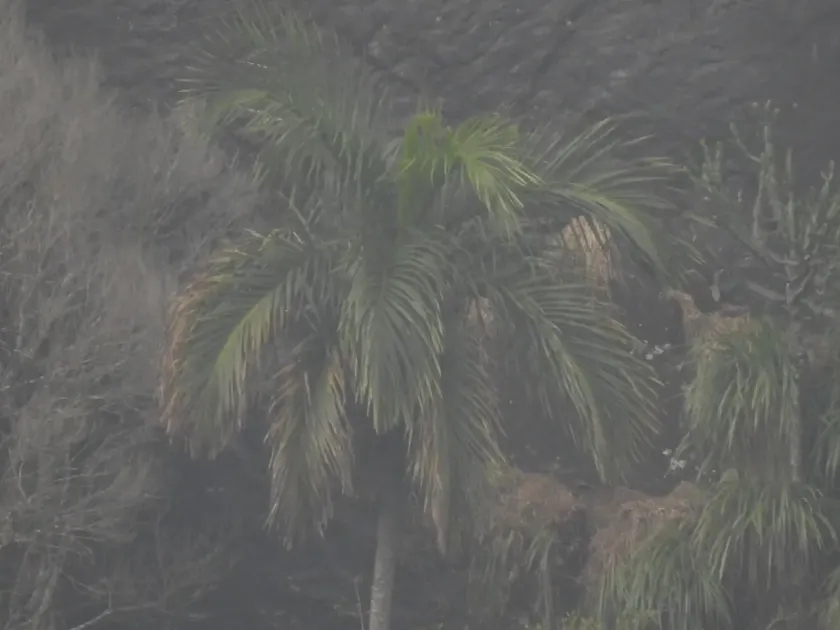
Bentinckia condapanna is a rare and distinct species of palm belonging to the Arecaceae family. It is endemic to the Western Ghats of Southern India, where it thrives in high-altitude, moist evergreen forest habitats, often clinging to rocky cliffs and steep slopes.
The cultural requirements for this species are strict, demanding a humid, tropical environment that mimics its natural high-altitude habitat. It requires consistent warmth and protection from temperature fluctuations, making it unsuitable for open-field cultivation in temperate zones.
When grown in botanical collections, the palm requires well-drained, nutrient-rich soil that prevents waterlogging. Proper aeration of the root system is critical, as the plant is adapted to steep, rocky terrain where excess water drains away naturally and quickly.
Light requirements involve bright, filtered sunlight. While it appreciates high light levels, exposure to harsh, direct midday sun can result in leaf scorching, particularly if humidity levels are not maintained at optimal levels throughout the day.
The economic and aesthetic value of Bentinckia condapanna lies in its rarity and structural elegance. It is highly sought after by palm collectors and botanical gardens for its slender stem and graceful, arching, pinnate fronds that provide a classic tropical aesthetic.
Main diseases and pests
Root rot is the most significant threat to the health of this species. It is typically triggered by poor drainage or overwatering, which creates an anaerobic environment within the root ball, encouraging the rapid growth of pathogenic fungi.
Spider mites represent a major pest issue in controlled environments. These tiny arachnids thrive in lower humidity conditions, spinning fine webs on the undersides of fronds and drawing nutrients, eventually causing the leaves to turn chlorotic and wither.
Scale insects are another common concern, often hiding along the leaf stalks and veins. Their feeding habits can lead to the formation of honeydew, which subsequently promotes the growth of sooty mold, further impeding the palm's ability to photosynthesize effectively.
Inadequate air circulation can lead to the accumulation of moisture within the crown, creating an ideal environment for fungal leaf spot diseases. Ensuring good ventilation is a key prophylactic measure in greenhouse or indoor horticulture.
Nutritional deficiencies, especially regarding potassium and magnesium, can occur in containerized specimens. Regular application of a balanced, micronutrient-enriched palm fertilizer is essential to maintain the dark green color and structural integrity of the foliage.