
Desmidorchis flava
Desmidorchis flava
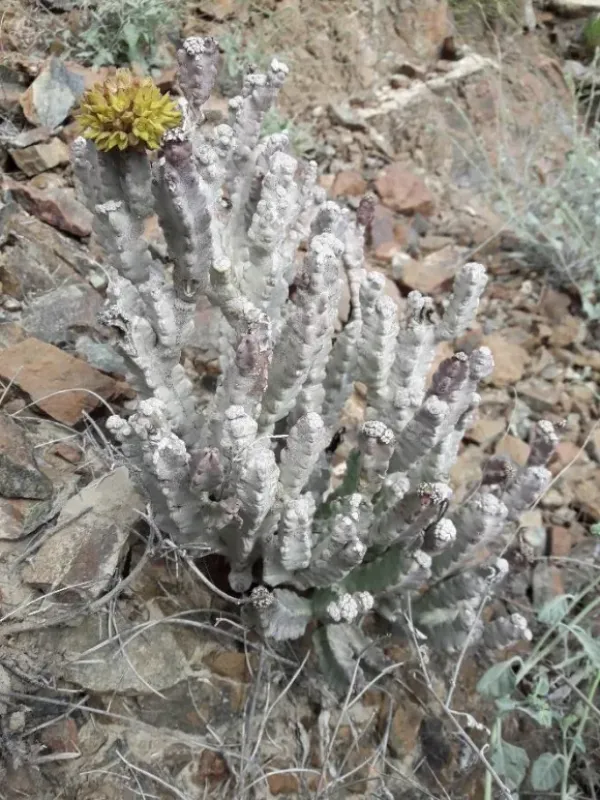
Description
Growing requirements
Desmidorchis flava is a succulent plant belonging to the Apocynaceae family. Native to the arid environments of the Arabian Peninsula and East Africa, it has evolved specific physiological traits to endure long periods of extreme drought and high solar radiation.
The plant is defined by its succulent, ribbed stems that store water efficiently. It lacks traditional leaves, which reduces transpiration losses, making it highly specialized for survival in harsh, nutrient-poor, and dry environments where other vegetation would fail.
Agronomic requirements center on perfect drainage. The soil substrate should consist of a mix of coarse sand, pumice, and minimal organic matter to prevent root suffocation. The plant thrives in well-ventilated areas with maximum sunlight exposure throughout the day.
Climate conditions must mirror its natural habitat: warm temperatures during the growth phase and a distinct dry rest period during dormancy. It is sensitive to cold, and any temperature drop below the threshold can lead to cellular damage in the succulent tissues.
The primary use of Desmidorchis flava is ornamental, serving as a prized specimen in specialized succulent collections and xeriscaping projects. It is appreciated by hobbyists and landscape architects for its unique morphological structure and architectural appeal.
Main diseases and pests
The most significant threat to Desmidorchis flava is root and stem rot caused by fungal pathogens when the soil remains too moist. Overwatering is the most common cause of plant loss, as the roots require a balance between moisture and oxygen to function.
Mealybugs are the most common pests found on this species, often settling within the recesses of the ribbed stems. These sap-sucking insects drain the plant's resources and can facilitate the spread of secondary viral or bacterial infections.
Spider mites represent another risk, especially in environments with poor air circulation and low humidity. Infestation leads to chlorosis and tissue necrosis, which can significantly damage the structural integrity and appearance of the succulent stems.
Scale insects may also attach themselves to the stems, making them difficult to detect until the infestation becomes advanced. Regular monitoring of the plant's surface is essential to ensure that any pests are identified and managed before significant damage occurs.
Effective pest and disease management involves a proactive approach: prioritizing proper drainage, avoiding overhead watering, and using systemic insecticides or fungicides only when necessary. Maintaining a clean growing environment is key to plant longevity.