
Amphineurion marginatum
Amphineurion marginatum
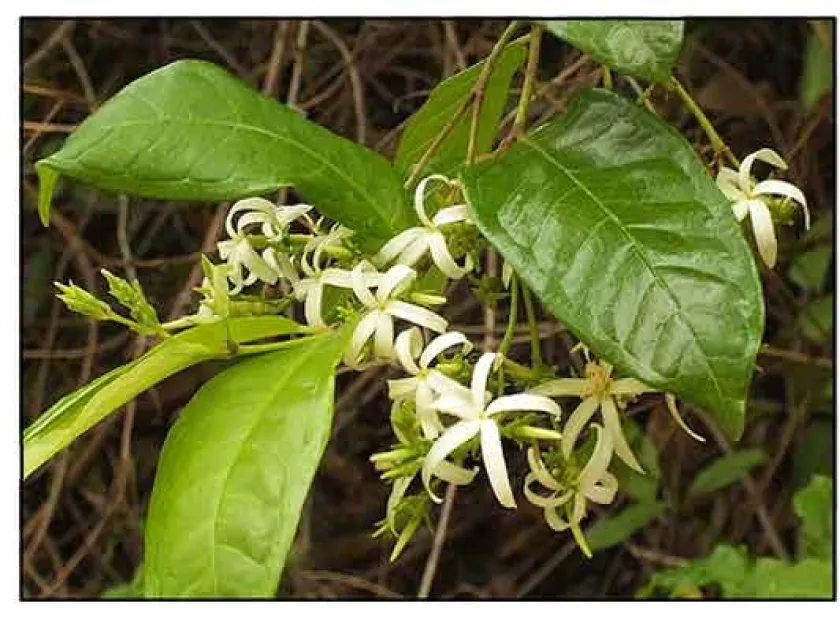
Description
Growing requirements
Amphineurion marginatum is a woody evergreen vine belonging to the Apocynaceae family. Native to the tropical regions of Southeast Asia, this species is well-adapted to high-humidity forest ecosystems.
The plant thrives in warm tropical climates, requiring temperatures between 24°C and 30°C throughout the year. It performs best when provided with filtered light, as direct scorching sun can damage the foliage in younger specimens.
Well-draining, nutrient-rich soil is essential for the healthy growth of this vine. Incorporating organic compost into the planting site improves structure and moisture retention without risking root saturation.
Agricultural management requires the installation of sturdy trellises or supports to facilitate vertical growth. Pruning is necessary to keep the plant in bounds and encourage denser leaf production.
Watering should be consistent, especially during the peak growing season, to ensure that the plant maintains its vigor. Avoid overhead watering to reduce the risk of leaf-borne infections.
Main diseases and pests
Common pests affecting Amphineurion marginatum include spider mites and aphids, which often hide on the underside of leaves. Regular monitoring and use of horticultural oils can control these populations effectively.
Fungal issues, such as powdery mildew, often arise in poorly ventilated areas with excessive moisture. Improving air circulation around the canopy is the primary method for preventing these outbreaks.
Root rot is a major threat caused by poor drainage or overwatering, leading to wilting and eventual plant decline. Ensuring a substrate that allows air exchange at the root level is vital.
Mealybugs are another challenge, particularly in greenhouse settings, as they can quickly spread throughout the collection. Manual removal or systemic insecticides may be required for severe infestations.
Proper sanitation, including the removal of dead leaves and debris from the base of the plant, reduces the availability of habitats for various pathogens and pests.