
Alstonia pneumatophora
Alstonia pneumatophora
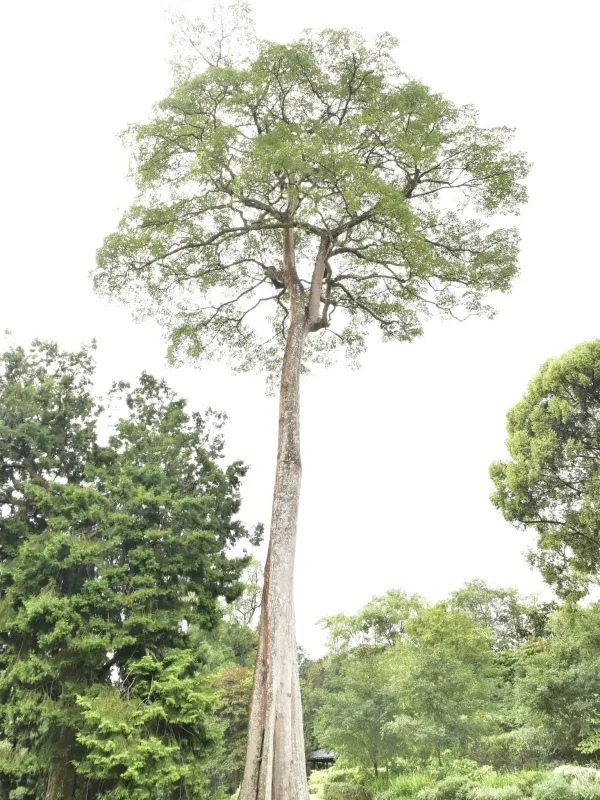
Description
Growing requirements
Alstonia pneumatophora belongs to the Apocynaceae family and is a significant tropical tree species native to the swampy lowland forests of Indonesia and surrounding regions. It is well-adapted to anaerobic soil conditions, which it manages through the development of specialized pneumatophores or breathing roots.
The climate requirements for this species are strictly tropical, necessitating high temperatures and consistent, abundant rainfall throughout the year. It thrives in humid environments and struggles to survive in regions with marked dry seasons or significant temperature fluctuations.
The ideal soil substrate for this tree is deep, rich alluvial soil that maintains moisture. Despite its adaptation to wetlands, the soil must possess a structure that allows for some level of gas exchange to prevent the suffocation of the root system during periods of extreme saturation.
Agrotechnical management involves careful site selection to replicate the natural swampy habitat, while ensuring proper canopy management. As a light-demanding species in its later stages, it requires adequate spacing to ensure that developing trees receive sufficient sunlight for optimal canopy density.
Proper nursery management is essential for successful seedling establishment. Young plants require protection from direct wind and mechanical damage, as their early growth stages are critical for building the resilience needed to support their future stature.
Yield
The primary economic value of Alstonia pneumatophora lies in its timber production. The wood is characterized by moderate density and a consistent grain, making it highly desirable for the manufacturing of plywood, interior furniture, and light construction components.
Yield metrics are largely determined by site quality and management practices. In sustainable forestry systems, the selective harvesting of mature trees allows for consistent wood supply while maintaining the long-term viability of the plantation area.
Besides timber, the species is investigated for its chemical properties, particularly the alkaloids found in its bark. These compounds are of interest to the pharmaceutical industry, adding a secondary value stream to the cultivation of these trees.
Sustainable harvest management is crucial to maximize the economic output per hectare while ensuring that natural regeneration or replanting efforts are successful. Periodic thinning helps in managing the stand structure and improving the overall quality of the wood harvest.
Economic returns are optimized when wood processing occurs near the source of production, reducing logistics costs and ensuring that the timber is utilized efficiently for various industrial applications.
Main diseases and pests
Fungal pathogens represent a significant threat to Alstonia pneumatophora plantations, especially when water circulation in the soil is poor. Root rot can severely impact tree health, often exacerbated by stagnant water conditions that hinder the function of pneumatophores.
Stem borers and various defoliating insects are common pests that require active monitoring. Integrated pest management (IPM) strategies, which prioritize biological control and early detection, are essential to minimize the use of synthetic chemicals in forest environments.
Deforestation and the conversion of peatlands or swamp forests for other agricultural uses pose a major threat to the survival of natural populations. Conservation efforts and sustainable land management are required to protect the species' wild genetic stock.
Climate change, manifesting as altered precipitation patterns, can disrupt the hydrological balance of swamp ecosystems. This vulnerability necessitates long-term research into the tree's resilience and adaptive capacity under changing environmental stressors.
Preventive measures include the maintenance of species diversity within the forest landscape. Creating polycultures or mixed-species stands can break the transmission cycle of specific pathogens, thereby increasing the overall resilience of the Alstonia pneumatophora population.