
Proiphys
Proiphys
Proiphys is a genus of perennial bulbous plants belonging to the Amaryllidaceae family. Native to the tropical regions of Australia and Southeast Asia, these plants are well-adapted to humid environments and dappled forest light.
What the section contains


Proiphys
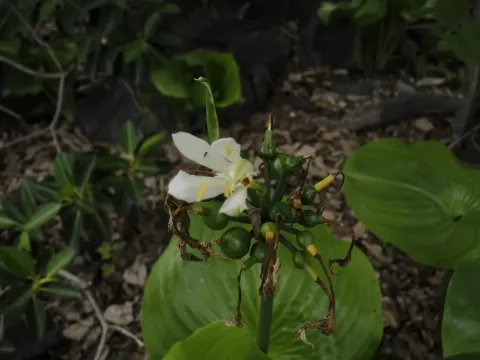
The plant features distinctively large, heart-shaped or elliptic leaves rising on long petioles from a fleshy bulb. It is known for its showy, umbrella-like clusters of white or pale-colored flowers that emerge on sturdy scapes during the growing season.
Successful cultivation requires a warm environment with temperatures consistently between 20°C and 25°C. Exposure to direct sunlight should be avoided to prevent leaf scorch, as the plant naturally thrives in partial shade conditions.
The soil must be rich in organic matter, well-draining, and moisture-retentive but never waterlogged. Using a high-quality mix with added perlite or coarse sand helps maintain the necessary aeration for the bulb to breathe.
Proiphys is primarily grown as an ornamental plant in botanical collections, conservatories, and interior landscaping. Its elegant foliage and striking floral displays make it a prized specimen for indoor gardening enthusiasts.
The most common pests include spider mites, which thrive in low-humidity indoor environments. Maintaining proper air circulation and misting the foliage periodically are effective preventative measures against infestations.
Fungal issues such as basal rot are major threats to the bulb's health. To minimize risks, growers must prioritize strict water management and ensure the soil remains moist but not saturated, especially during the plant's dormant phase.