
Proiphys cunninghamii
Proiphys cunninghamii
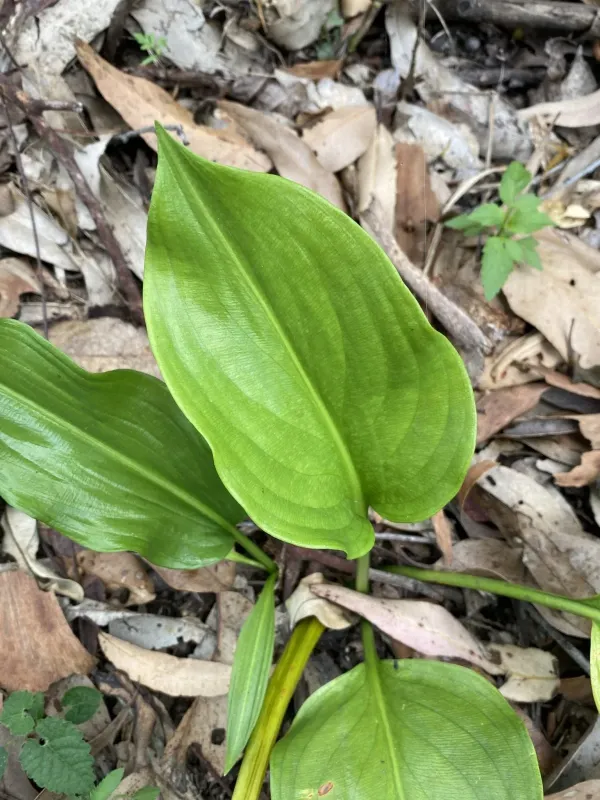
Description
Sowing dates
Proiphys cunninghamii, commonly known as the Brisbane lily, belongs to the Amaryllidaceae family. Propagation is primarily achieved through offsets, which are small bulbs that develop alongside the parent plant during the growing season.
Planting should take place in a well-draining, nutrient-rich potting medium. The ideal timing for dividing and planting is the beginning of the growth phase in spring when the plant starts to emerge from dormancy.
When propagating by seed, it is crucial to sow them immediately after harvesting, as seeds quickly lose their viability. They should be pressed into the soil surface and kept consistently moist until germination occurs.
Bulbs must be planted at a shallow depth, with the neck of the bulb at or just above the soil level. This method prevents the bulb base from rotting, which is a common issue when bulbs are buried too deeply in dense soil.
Containers must provide excellent drainage. A layer of gravel or expanded clay at the bottom of the pot is recommended to ensure that excess water can escape, protecting the sensitive root system from anaerobic conditions.
Growing requirements
Native to the eastern regions of Australia, this species thrives in tropical and subtropical conditions. It requires high ambient humidity and protection from harsh, direct sunlight, preferring bright, filtered light.
The soil should be fertile and loose, containing a mix of organic matter such as leaf mold, peat, and coarse sand. A neutral or slightly acidic pH balance is preferred for optimal nutrient absorption.
During the active growing season, temperatures between 20°C and 25°C are ideal. During the winter dormancy phase, temperatures should be kept slightly cooler, but never falling below 12°C to ensure the plant survives and recovers well.
Watering requires careful balance: during active growth, keep the soil moist but not waterlogged. Once the leaves begin to yellow in autumn, reduce watering significantly, allowing the soil to dry out between applications.
Proiphys cunninghamii is highly valued in ornamental horticulture for its wide, glossy leaves and distinctive umbels of white, star-shaped flowers. It serves as an excellent feature plant in indoor settings or greenhouses.
Main diseases and pests
The most common threat is fungal root rot caused by poor soil drainage and overwatering. This condition manifests as softening of the bulb and yellowing of the foliage, often leading to rapid plant decline if not caught early.
Pests such as spider mites, mealybugs, and scale insects frequently attack this plant, especially in low-humidity indoor environments. These insects sap the plant's vitality and can disfigure the leaves.
Effective management involves maintaining high air humidity, regular inspection of foliage, and immediate isolation of infested plants. Soft-bristled brushes or specialized horticultural soaps can be used to remove surface pests.
Bacterial diseases can infiltrate the bulb if the substrate is contaminated or if physical injury occurs during transplanting. Using sterile tools and clean, high-quality soil is essential for long-term health.
Regular monitoring of the leaf undersides is the best preventative strategy against insect outbreaks. Applying systemic insecticides should be a last resort and performed according to specific label instructions for ornamentals.