
Pleated snowdrop
Galanthus plicatus
Description
Growing requirements
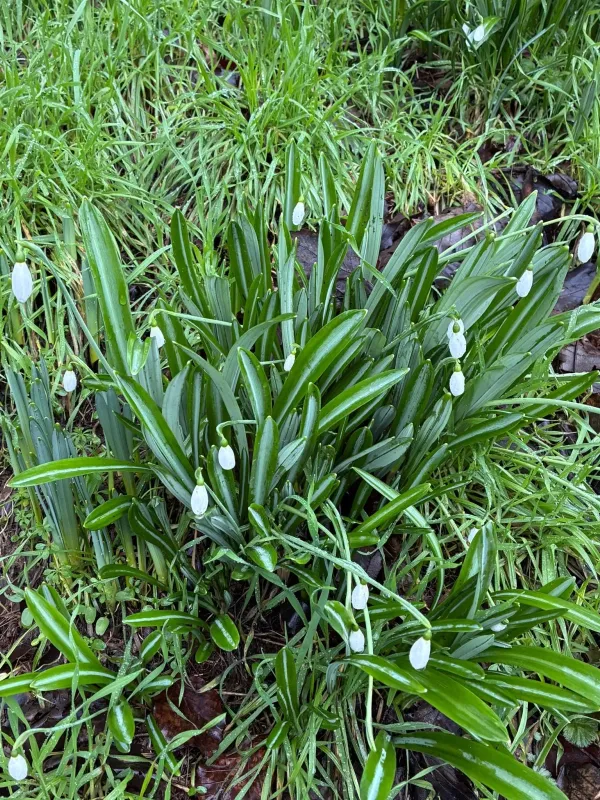
The Pleated snowdrop (Galanthus plicatus) belongs to the Amaryllidaceae family. It is a perennial bulbous plant native to the regions around the Black Sea, specifically documented in parts of Southeastern Europe, including Romania, Moldova, and the Crimean Peninsula.
Cultivation requires well-drained, humus-rich soil that mimics the woodland floor environment. Proper aeration is essential, as the bulbs are susceptible to rot if subjected to waterlogged conditions during their summer dormancy phase.
Climatic preferences for this species involve cool winters and moderate springs. The plant is hardy and well-adapted to temperate climates, requiring a cold vernalization period to trigger the development of the flower bud and subsequent emergence.
Agrotechnical requirements include minimal interference during the active growing season. Fertilizer applications should focus on phosphorus and potassium to support bulb development, as nitrogen-heavy fertilizers may promote excessive foliage at the expense of floral production.
In landscape design, this species is highly valued for its early flowering cycle and its ability to naturalize in garden settings. It performs best when planted in groups, which protects the bulbs from environmental extremes and competition from aggressive weeds.
Main diseases and pests
Gray mold (Botrytis galanthina) is the most significant pathological threat to Galanthus plicatus. High humidity levels in spring create optimal conditions for spore germination, leading to the rapid decay of leaves and flowers.
Fusarium basal rot represents a major challenge for bulb longevity. This fungal infection attacks the root plate, causing the foliage to collapse prematurely; infested bulbs must be discarded immediately to prevent soil contamination.
Pests such as the narcissus bulb fly (Merodon equestris) present a severe danger. The larvae bore into the bulb, feeding on the inner tissues and frequently leading to the total destruction of the plant before the following season.
Slugs and snails can cause significant mechanical damage to the emerging foliage during early spring. Integrated pest management, including the use of physical barriers, is recommended for high-value garden beds.
Effective preventive strategies include ensuring adequate spacing between bulbs to improve airflow and selecting high-quality, disease-free planting material to maintain a healthy stand.