
Poet's daffodil
Narcissus poeticus
Description
Sowing dates
Narcissus poeticus, commonly known as the poet's daffodil, is a perennial bulbous plant belonging to the Amaryllidaceae family. Planting is typically performed in late summer or early autumn to ensure successful root establishment.
It is crucial to plant bulbs before the ground freezes. An optimal planting depth ranges from 10 to 15 centimeters, depending on the bulb size and the texture of the soil, ensuring the plant is protected from temperature fluctuations.
Spacing between individual plants should be kept at approximately 15–20 centimeters. This arrangement provides adequate nutrients and ventilation, which helps prevent fungal diseases in dense plantations.
Propagation is primarily vegetative, utilizing offsets or daughter bulbs. Dividing the clumps every 4–5 years is recommended to maintain plant vigor and prevent overcrowding, which can reduce flower size.
This species is well-regarded for its cold hardiness, making it suitable for temperate climates where it can endure harsh winter conditions without the need for extensive mulching.
Growing requirements
The poet's daffodil thrives in full sun but can tolerate light shade. Proper drainage is essential, as the bulbs are highly susceptible to rot if left in waterlogged soil for extended periods.
Ideal soils are fertile, well-draining loams with a neutral to slightly acidic pH. Incorporating organic matter, such as compost, improves soil structure and nutrient availability.
Regular irrigation is necessary during the active growth phase, particularly as the buds develop. However, water usage should be reduced once the foliage begins to yellow after flowering.
For commercial cultivation, balanced mineral fertilizers, specifically those rich in phosphorus and potassium, should be applied to support strong bulb development and healthy blooms for the following season.
The site selection should prioritize areas with good air circulation to reduce the risk of common fungal issues, as stagnant, humid air can promote the development of mold on the foliage.
Yield
Narcissus poeticus is a significant plant in the essential oil industry. Its flowers are highly prized for the fine, sweet-smelling oil extracted for use in luxury perfumery.
Yield in flower farming is determined by the number of high-quality stems produced per hectare. Proper maintenance and adequate nutrition are key to maximizing the commercial output of these aromatic blooms.
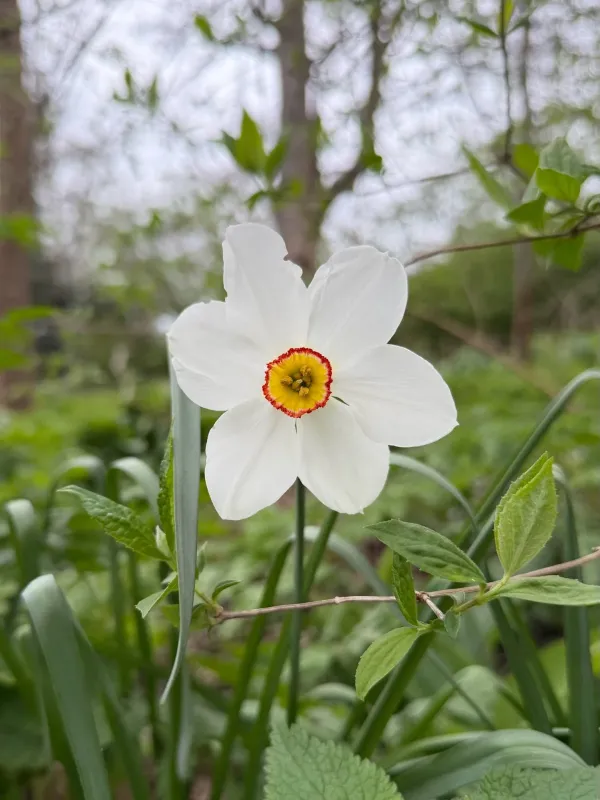
Beyond its use in fragrance, the plant is a popular choice for ornamental landscaping and greenhouse production, where it is valued for its unique white petals and contrasting corona.
Bulb sales represent another major revenue stream for growers. Grading bulbs by size allows producers to supply both the hobbyist gardener market and large-scale landscape contractors.
Productivity peaks approximately three years after planting. Beyond this timeframe, growers must rotate crops or divide existing patches to keep yield quality and flower count at an optimal level.
Main diseases and pests
The narcissus fly is the most serious pest for this crop. Its larvae feed on the internal tissues of the bulb, which almost invariably leads to the death of the affected plant.
Fungal pathogens such as Fusarium and grey mold (Botrytis) pose substantial risks. These diseases often emerge due to improper storage of bulbs or poor drainage in the field during the growing season.
Prevention involves treating bulbs with fungicides before planting and maintaining strict sanitation practices, such as the immediate removal and disposal of infected plant material.
Bulb mites can also damage the roots and base of the bulb, creating openings for secondary bacterial infections. Keeping soil moisture levels balanced is a critical control measure.
Crop rotation is essential for sustainable production. It is recommended to wait at least five years before planting narcissus in the same location to break the life cycle of soil-borne pests.
Harvesting
For essential oil production, flowers must be harvested in the early morning hours. This timing captures the highest concentration of volatile aromatic compounds before the sun causes them to evaporate.
For cut flower sales, blooms are harvested at the tight bud stage. This ensures they reach the consumer in perfect condition and provides a longer vase life.
Bulb harvest takes place after the foliage has naturally withered. This ensures that the plant has successfully moved its energy reserves back into the bulb for dormancy.
Once harvested, bulbs are cleaned of debris, sorted by size, and dried in a cool, shaded, and well-ventilated area to prevent decay during storage.
Proper storage conditions involve maintaining a temperature of 15–18 degrees Celsius, which keeps the bulbs in a healthy state until they are ready to be planted in the next cycle.