
Eustephia
Eustephia
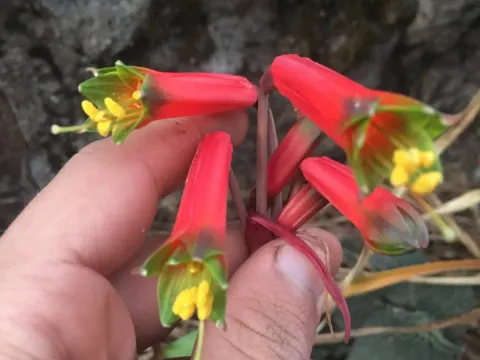
Eustephia is a genus of perennial bulbous plants belonging to the Amaryllidaceae family. These plants are native to the high-altitude mountain regions of the Andes in Peru and neighboring countries.
What the section contains

Eustephia
Botanically, Eustephia is characterized by its compact, tunicated bulbs that store nutrients to support the emergence of slender leaves and distinct, often bell-shaped, inflorescences.
The cultivation of this genus requires a highly porous and well-draining soil mix to mimic the rocky mountain slopes of its natural habitat. Heavy or clay-based soils are unsuitable as they promote root rot.
Regarding climate, the plant thrives in cooler temperatures with a clear seasonal variation. It is essential to allow the plant to go through a dormant phase by reducing watering after the foliage begins to wither.
Optimal growth conditions involve bright, indirect light. Providing adequate airflow around the base of the plant is just as important as the light quality to prevent physiological stress.
The most common health issues for Eustephia are fungal diseases, particularly bulb rot, which is often triggered by overly moist substrate conditions and a lack of proper drainage.
Common pests that may infest the plant include spider mites, which can be problematic in low-humidity environments, and mealybugs that target the area between the bulb scales.
Stagnant water in the bulb's neck can also lead to bacterial infections, which spread rapidly and can result in the complete collapse of the plant's structure within a short period.
Integrated pest management should be practiced, prioritizing early detection by inspecting the leaf bases and the bulb surface during the repotting process.
Regular sanitation, such as removing dead organic matter from the soil surface and using clean tools, is vital to maintaining the health of these sensitive Andean bulbs.