
Eucrosia
Eucrosia
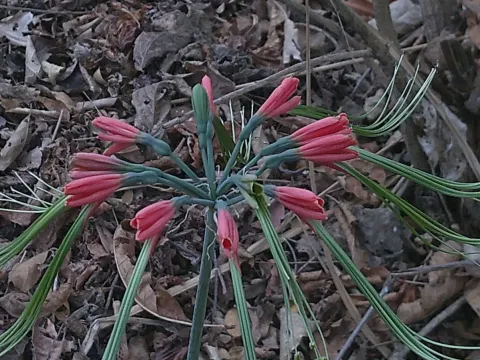
Eucrosia is a genus of bulbous perennial plants within the Amaryllidaceae family. Originating from the mountainous regions of South America, particularly Ecuador and Peru, these plants are adapted to distinct seasonal cycles in their natural habitat.
What the section contains


Eucrosia
Botanically, Eucrosia is distinguished by its unique flower structure featuring prominent, elongated stamens that often extend far beyond the perianth. The plants produce basal leaves and typically bloom from late winter to early spring, depending on the environmental conditions provided.
Successful cultivation requires a well-draining, nutrient-rich growing medium. It is essential to ensure that the substrate mimics a light, airy soil texture, often achieved by mixing potting soil with coarse sand or horticultural perlite to prevent root asphyxiation.
Climate requirements involve a clear division between a growing season and a dormancy period. During active growth, the plants need moderate temperatures and consistent moisture, while the dormancy phase demands cooler temperatures and significantly reduced watering to induce blooming.
In ornamental horticulture, Eucrosia serves as a high-value collector plant. It is primarily utilized in greenhouses and specialized winter garden displays, where its unusual morphology and exotic aesthetic are highly prized by botanical enthusiasts and horticulturists.
The primary threat to Eucrosia cultivation is fungal root rot caused by stagnant water or excessively heavy potting media. To mitigate this risk, agronomists recommend careful irrigation management and the use of fungicides during the planting of dormant bulbs.
Pest issues frequently involve spider mites and mealybugs, especially in indoor conditions with low humidity. Integrated pest management, including regular foliage inspection and the use of insecticidal soaps or systemic treatments, is necessary to maintain plant vigor.