
Eustephia coccinea
Eustephia coccinea
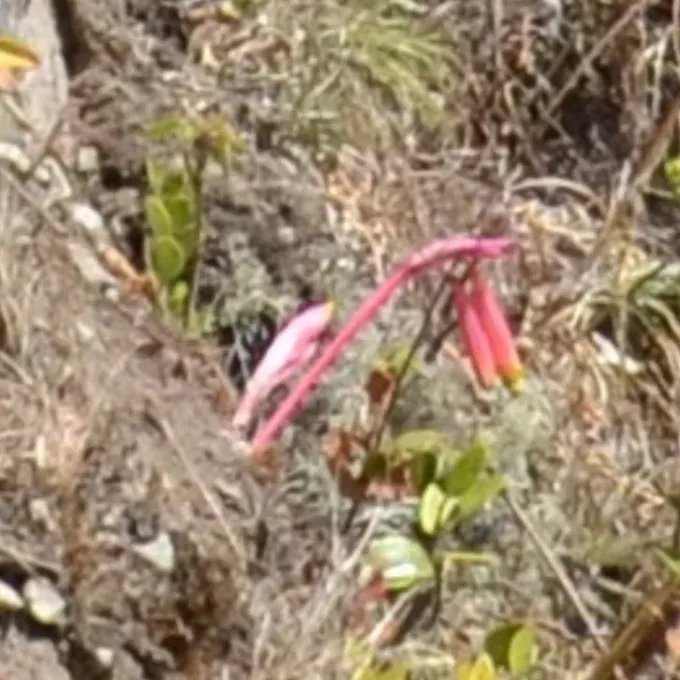
Description
Sowing dates
Propagation of Eustephia coccinea in controlled environments is primarily achieved through the separation of offsets from the mother bulb during the dormant period.
Seed propagation is also possible but requires specialized conditions, including a well-drained sterile substrate and strict control over humidity and ambient temperatures.
The ideal planting time for bulbs is at the start of the growing season, typically transitioning from late winter to early spring, to ensure robust initial development.
For successful establishment, the substrate must be maintained in a slightly moist state, ensuring that the roots are not subjected to sudden thermal shocks.
When sowing seeds, it is critical to provide a natural cooling cycle to mimic the high-altitude environment from which this species originates to maximize germination rates.
Growing requirements
Eustephia coccinea is a member of the Amaryllidaceae family, originating from the high-altitude regions of Peru, which dictates its specific environmental needs.
This species requires bright, indirect light to thrive, as direct sunlight can be too intense and cause thermal damage to the succulent leaves.
The growing medium must be porous and well-aerated with a neutral to slightly acidic pH to prevent the bulb from rotting due to stagnant water around the basal plate.
A strict moisture management regimen is required, incorporating a defined dry dormancy period that is essential for the plant to transition into its flowering phase.
Maintaining a temperature differential between day and night is highly beneficial, as this mimics the natural habitat conditions and encourages stronger floral development.
Main diseases and pests
The most common biological threats to this plant are fungal pathogens, which are almost exclusively triggered by overwatering and inadequate ventilation in the root zone.
Pests such as spider mites and scale insects can significantly reduce the vigor of the plant, especially if the indoor environment becomes too dry or stagnant.
Early identification of bulb rot is vital; if detected, the bulb should be carefully cleaned, treated with systemic fungicides, and repotted in fresh, dry soil.
General plant hygiene, including the removal of dead foliage and regular inspections of the underside of leaves, serves as the best primary defense against infestations.
- Fusarium wilt
- Botrytis (gray mold)
- Spider mites
- Root decay