
Drooping Narcissus
Narcissus cernuus
Description
Growing requirements
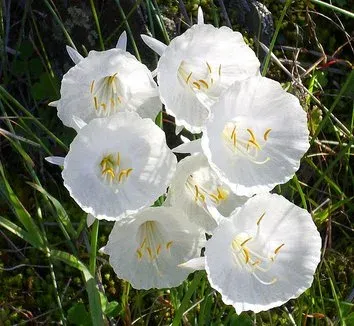
The Drooping Narcissus (Narcissus cernuus) belongs to the Amaryllidaceae family. It is a perennial bulbous plant characterized by its distinct, nodding flowers. The species originates from the mountainous regions of Europe, where it has adapted to specific temperate conditions.
The plant has strict requirements for soil drainage to prevent bulb rot. Sandy or light loamy soils are ideal, as heavy clay soils often lead to waterlogging, which is detrimental to the root system. Proper drainage installation is essential for long-term survival of the bulbs.
This crop thrives in sunny locations but can tolerate partial shade if the climate is sufficiently temperate. Ensuring adequate air circulation is vital to prevent fungal diseases from developing in the dense foliage, especially in humid spring environments.
Cultivation management involves precise fertilizer application. Phosphorus and potassium are crucial for bulb development and flowering, while nitrogen should be used sparingly during the early growth phase. Regular soil moisture monitoring is required to prevent drought stress.
Narcissus cernuus is primarily used in ornamental horticulture, particularly in rock gardens and spring floral arrangements. Its unique morphology makes it a highly valued specimen for landscape designers looking to introduce subtle, elegant floral features to a site.
Main diseases and pests
Major diseases include basal rot and botrytis, often triggered by poor ventilation or waterlogged soil conditions. Proactive management involves treating bulbs with fungicides before planting and maintaining a dry environment during the dormant season.
Pests such as the narcissus fly and bulb mites represent significant threats to crop health. Effective control measures include implementing quarantine for new planting stock and applying appropriate insecticides if pest populations exceed established economic thresholds.