
Eucrosia aurantiaca
Eucrosia aurantiaca
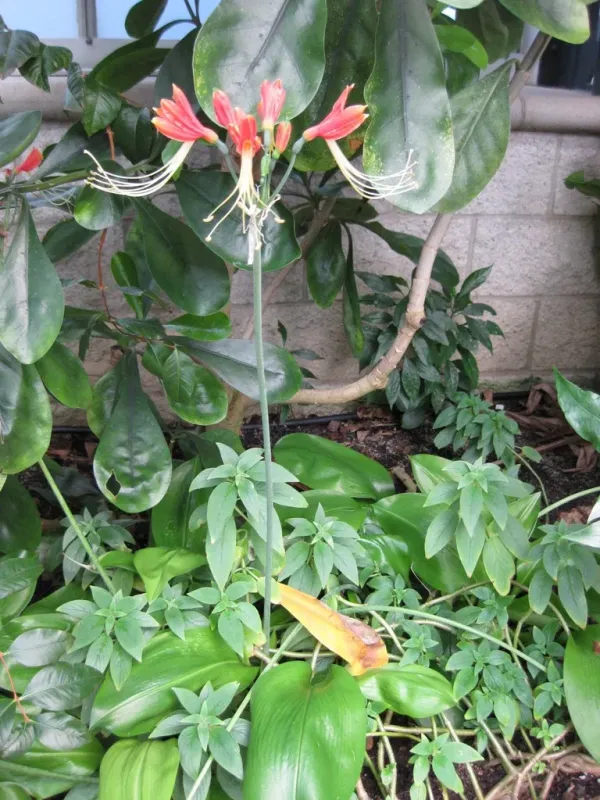
Description
Growing requirements
Eucrosia aurantiaca is a striking bulbous plant belonging to the Amaryllidaceae family, native to the tropical forests of Ecuador. It is primarily recognized for its unique, spider-like orange flowers featuring long, prominent stamens.
In terms of habitat, this species grows naturally in dry, semi-deciduous mountain regions. This botanical adaptation defines its agricultural needs, which include a distinct cycle of active growth followed by a dry dormancy period to mimic its natural environmental conditions.
For successful cultivation, the plant requires a well-draining potting medium, such as a mix of peat, bark, and coarse sand. It thrives in bright, filtered light and prefers moderate humidity during the growing season while requiring protection from excessive moisture during the dormant phase.
Temperature management is crucial; the plant performs best when kept in warm conditions between 20°C and 25°C. During the rest period, temperatures can drop slightly, but the bulbs must be kept dry to prevent rot.
The main use of Eucrosia aurantiaca is ornamental, serving as a highly prized specimen for conservatories, home collections, and botanical gardens where specific microclimates can be maintained.
Main diseases and pests
The most common agricultural threats to this culture are fungal diseases, particularly bulb rot (basal rot), which is often caused by poor drainage or overwatering. These pathogens thrive in stagnant, soggy conditions and can quickly destroy the bulb.
In terms of pests, the plant is susceptible to spider mites and mealybugs, especially when cultivated in protected environments like greenhouses or indoor spaces where ventilation is limited.
To mitigate these risks, growers should ensure proper air circulation around the foliage and use porous soil structures. Regular monitoring for early signs of infestation is essential for plant health.
Chemical control involving systemic fungicides and specialized acaricides is standard practice if infestations occur. Preventive measures, including disinfecting tools, remain the most effective strategy for long-term health.
- Use of systemic fungicides as a preventative measure.
- Maintaining dry storage for bulbs during the dormancy period.
- Ensuring adequate spacing between plants to improve airflow.