
Blue honeysuckle
Lonicera caerulea L.
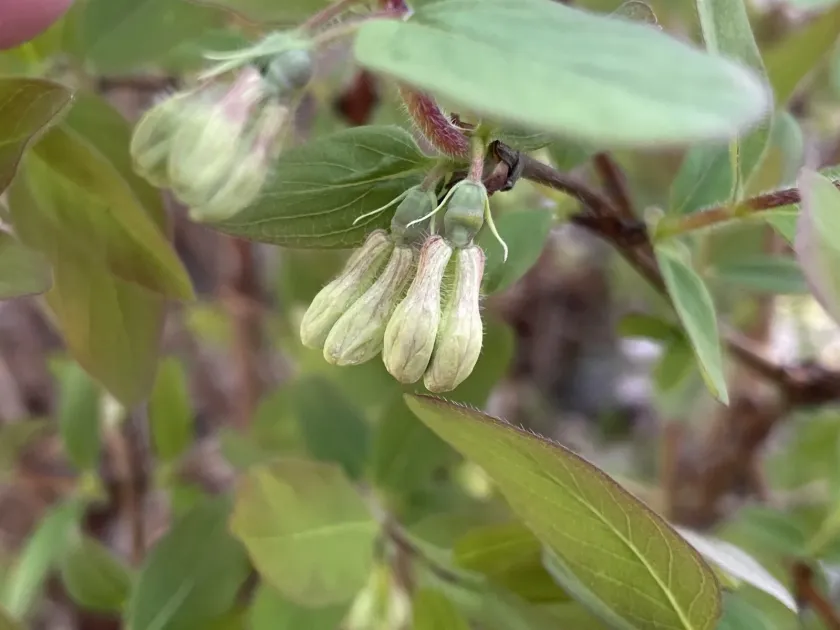
Description
Sowing dates
Blue honeysuckle (Lonicera caerulea L.) belongs to the Caprifoliaceae family. It is a hardy, deciduous shrub highly valued for its extreme cold resistance and very early ripening season.
The best time for planting young shrubs is autumn, when the plant enters dormancy. Spring planting is only feasible very early in the season, before the leaf buds begin to actively open.
Choose a sunny location with some protection from strong winds. Although honeysuckle can tolerate partial shade, full sun exposure is preferred to ensure optimal sweetness and higher yields.
Cross-pollination is essential for a good harvest. Growers should plant at least 3–5 different cultivars together in the same area to ensure that bees and other pollinators can facilitate effective fruit set.
When preparing the planting holes, incorporate organic matter such as compost or well-rotted manure. This provides the necessary nutrients and improves soil structure for the roots to establish quickly.
Growing requirements
The crop prefers fertile, well-draining loamy or sandy soils with a neutral to slightly acidic pH. Honeysuckle does not tolerate waterlogged conditions, so proper soil drainage is crucial for plant health.
Regular irrigation is vital, especially during the flowering and fruit development stages. Consistent moisture prevents the berries from becoming bitter and reduces the risk of premature fruit drop.
The plant is famously frost-hardy, capable of surviving temperatures as low as -45°C. Its flowers are also remarkably resistant to late spring frosts, which often destroy other fruit crops.
Mulching the root zone is highly recommended to retain soil moisture and suppress weeds. Materials such as shredded bark, peat, or wood chips provide an excellent barrier for the shallow root system.
Pruning should be performed annually once the leaves have fallen. During the first few years, focus on light shaping; once the shrub reaches maturity, perform rejuvenation pruning to keep it productive.
Yield
Yields depend heavily on cultivar selection, plant age, and environmental conditions. Initial fruit production typically begins at age 2–3, but full commercial maturity is reached around 5–6 years.
On average, a mature, well-maintained shrub can produce between 1 and 3 kg of berries. High-yielding varieties under intensive management can sometimes produce up to 5 kg per plant.
The berries do not ripen all at once, which is a key biological characteristic of this species. This spread of ripening time is perfect for home gardens but presents a challenge for large-scale mechanical harvesting.
Pollination success depends on the activity of bumblebees and honeybees during early spring. Weather conditions during this period significantly impact the final quantity and quality of the harvested fruit.
Applying fertilizer after the harvest helps the plant store energy for the following season's buds. A balanced approach with minerals ensures consistent production over many years of the shrub's life.
Main diseases and pests
While generally hardy, honeysuckle can occasionally suffer from fungal diseases like powdery mildew if air circulation is poor. Proper spacing and crown maintenance are the best preventative measures.
Pests such as honeysuckle aphids and leafrollers can cause damage to tender new growth. Monitoring during the early growth stages is key to preventing significant infestations that could weaken the plant.
Spider mites may become an issue during hot, dry weather conditions. They feed on leaf sap, which can cause leaf yellowing and premature dropping, eventually affecting the overall vigor of the shrub.
Integrated pest management should be employed, focusing on keeping the planting area clean of debris where pests and fungal spores often overwinter. This reduces the need for heavy chemical treatments.
If chemical controls are necessary, they should be applied outside of the flowering period to protect beneficial pollinators. Always follow local agricultural guidelines for the safe use of pesticides.
Harvesting
Harvest usually takes place in late spring or early summer, making it the first berry to be available in the fresh market. Proper timing is crucial as the berries require full maturity to lose their tartness.
Ripe berries are deep blue or violet-black, often with a waxy bloom on the surface. If picked too early, the flavor will be unpleasantly sour or bitter, so patience during the ripening process is necessary.
Berries are quite fragile and must be handled with extreme care to avoid crushing. Using shallow harvesting containers prevents the weight of the fruit from damaging those located at the bottom.
Fresh honeysuckle has a very short shelf life, typically lasting only a few days in cool conditions. Quick processing or deep freezing is recommended to preserve the fruit's excellent nutritional value.
The fruit is used for fresh consumption, jams, juices, and health products. Its high content of anthocyanins and antioxidants makes it a highly sought-after functional food in modern markets.