
Box-leaved honeysuckle
Lonicera pileata Oliv.
Description
Growing requirements
Box-leaved honeysuckle (Lonicera pileata) is a versatile evergreen or semi-evergreen shrub belonging to the Caprifoliaceae family. It is native to China and is widely recognized for its low-growing, spreading growth habit which makes it a popular choice for ground cover.
This species thrives in sunny to partially shaded environments. It exhibits a high degree of adaptability to various soil types, although it performs best in fertile, well-draining soils with a neutral or slightly alkaline pH level.
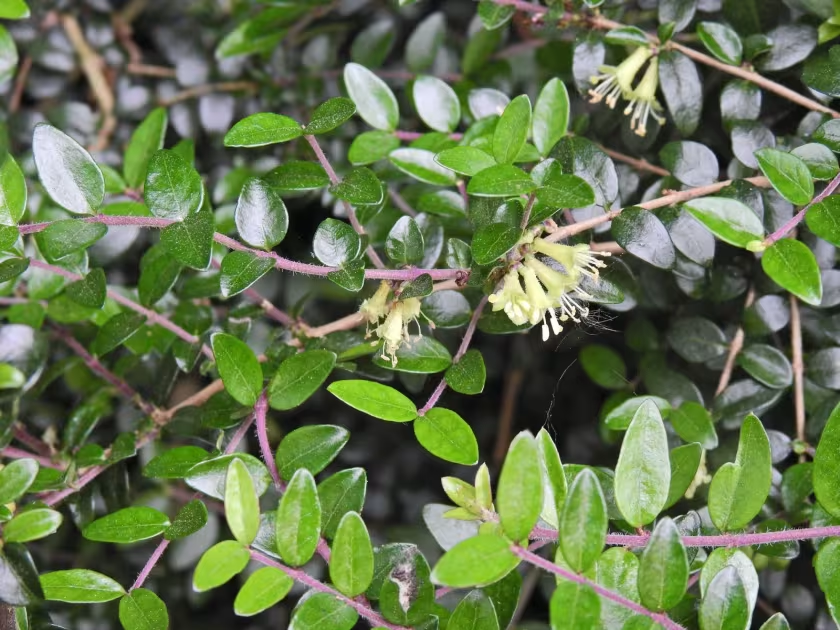
Botanically, the plant is characterized by its small, glossy, deep green leaves arranged in opposite pairs along the stems. The branches grow horizontally, often rooting where they touch the ground, which naturally creates a dense, mat-like form.
The climate requirements for Lonicera pileata are centered around temperate zones, as it is generally hardy to USDA zones 6-7. In colder regions, the foliage may suffer damage during severe winters, necessitating shelter or a protected planting location.
In landscape architecture, the plant serves multiple purposes. It is frequently used for erosion control on slopes, as a formal edging plant for garden beds, and as a low-maintenance substitute for traditional turfgrass in shaded garden areas.
Main diseases and pests
The most common disease affecting this shrub is powdery mildew, which often appears during humid and warm periods when airflow within the foliage is restricted or poor.
Pest issues include aphid infestations that primarily target new, succulent growth. Severe aphid pressure can lead to curled leaves and the growth of sooty mold due to honeydew production.
Leaf rollers and spider mites can occasionally cause damage, particularly during dry seasons. These pests weaken the plant structure and diminish the aesthetic appeal of the shiny foliage.
Maintaining plant health requires proactive cultural practices, such as thinning out the dense branches to ensure air circulation and monitoring the shrub for early signs of insect activity.
Chemical control measures should only be employed as a last resort, using targeted insecticides or fungicides applied according to horticultural guidelines to minimize impact on beneficial insects.