
Pallas honeysuckle
Lonicera caerulea L. var. edulis Turcz. ex Herder
Description
Growing requirements
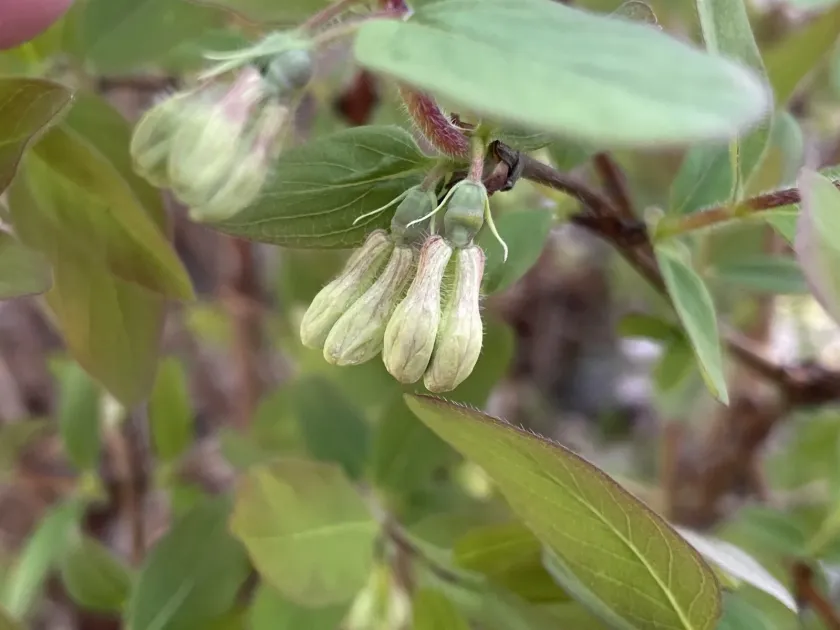
Pallas honeysuckle (Lonicera caerulea var. edulis) is a deciduous shrub belonging to the Caprifoliaceae family. Native to the harsh climates of Siberia and the Far East, this variety is highly prized for its extreme cold hardiness and ability to thrive in challenging environments.
This crop prefers sunny locations with good air circulation to ensure optimal growth and berry quality. While it is adaptable to various conditions, it performs best when sheltered from strong, cold winds that can damage early spring blossoms.
The ideal soil for Pallas honeysuckle is well-drained, fertile loam or sandy loam with a slightly acidic to neutral pH level. Soil structure should allow for good root penetration, while organic mulching helps maintain consistent soil moisture throughout the summer season.
Standard agrotechnical practices include consistent watering, particularly during the fruit development stage, and periodic pruning. Pruning focuses on thinning the center of the shrub to improve light penetration and removing old or damaged wood to stimulate new growth.
The berries are consumed fresh or used in various culinary applications, including jams and juices. Its high antioxidant content makes this plant a valuable addition to both home gardens and commercial small-scale orchards.
Main diseases and pests
Powdery mildew is the most common fungal disease affecting honeysuckle plants, often appearing as a white dusting on leaves. Maintaining proper plant spacing is essential to ensure adequate airflow and reduce the incidence of this fungus.
Pests such as honeysuckle aphids can cause significant damage to young shoots, leading to stunted leaf development. Monitoring for early signs of infestation is crucial for protecting the plant's overall health and vitality.
Leaf rollers and other chewing insects may also cause damage to foliage. In organic management systems, the use of beneficial insects or biological sprays is recommended to manage pest populations without harming the local ecosystem.
Sanitary practices, such as removing fallen leaves and debris around the base of the plant in autumn, are effective in preventing the overwintering of pests and fungal spores. This proactive approach minimizes the need for intervention in the spring.
Strong, healthy plants are naturally more resistant to stressors. By providing adequate nutrients and preventing moisture stress, gardeners can maintain a productive and healthy honeysuckle hedge for many years.