
Japanese honeysuckle
Lonicera japonica Thunb.
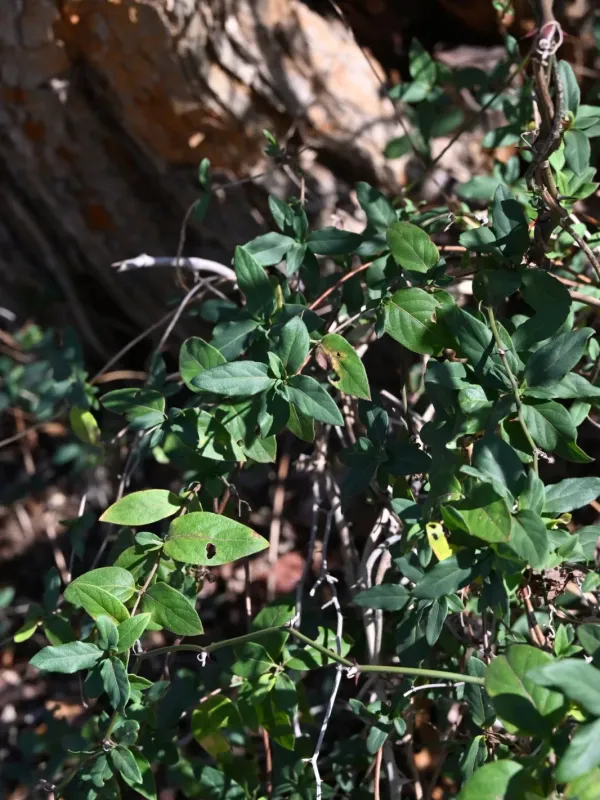
Description
Sowing dates
Japanese honeysuckle is primarily propagated via cuttings, which is the most reliable and efficient method for establishing new plantations or decorative hedges.
Semi-hardwood cuttings should be taken in late summer, while soft green cuttings are best prepared during the active growth phase in early summer to ensure rapid rooting.
The planting site should be prepared with well-drained, nutrient-rich soil mixed with organic compost to provide the necessary support for young, developing root systems.
Spacing is critical for this vigorous climber; plants should be spaced at least 1.5 to 2.5 meters apart to prevent overcrowding and allow for adequate airflow between vines.
Direct seeding is possible but rarely practiced outside of research environments, as it requires a long cold stratification period to break seed dormancy.
Growing requirements
Lonicera japonica is a semi-evergreen climbing vine belonging to the Caprifoliaceae family, known for its rapid growth rate and fragrant white-to-yellow flowers.
This species thrives in a wide range of climates but prefers full sun to partial shade; while it is shade-tolerant, flowering intensity decreases in deep shade.
Soil requirements are relatively broad, though it performs best in loamy, fertile, and moist soils with a slightly acidic to neutral pH balance for optimal nutrient uptake.
Water management is essential during the establishment phase, as the plant needs consistent moisture to support its aggressive vegetative expansion and bloom production.
Pruning is a mandatory agronomic practice; annual trimming helps control the vine's rapid spread and encourages the growth of new, flowering wood for the next season.
Main diseases and pests
Aphids represent a primary pest challenge, frequently attacking the tender, succulent tips of the vines and causing leaf curling and stunted growth during the spring.
Powdery mildew is the most common fungal disease, appearing as a dusty white coating on leaves, particularly in areas with poor ventilation and high atmospheric humidity.
Leaf rollers and various caterpillars can cause significant aesthetic damage by feeding on foliage, which necessitates monitoring and timely application of botanical insecticides.
In certain regions, the plant is considered an invasive species, meaning that preventing its uncontrolled spread into natural habitats is a major management priority.
Effective control involves integrated pest management strategies, combining regular sanitation, pruning, and targeted chemical treatments when natural control proves insufficient.
Harvesting
The flowers of the Japanese honeysuckle are traditionally harvested at their peak, usually in early summer, just as they begin to open to maximize their fragrant and medicinal potential.
Harvesting is performed by hand, gently gathering the blossoms during the early morning hours after the dew has evaporated but before the heat of the day peaks.
Collected flowers are typically processed immediately through air-drying in a cool, ventilated area away from direct sunlight to preserve active chemical compounds.
In commercial applications, mechanical harvesting is impractical due to the climbing nature of the plant, thus making manual collection the only viable harvest method.
Proper post-harvest handling ensures that the essential oils and bioactive compounds within the petals are retained for use in traditional herbal medicine and cosmetics.