
Reference · Crops
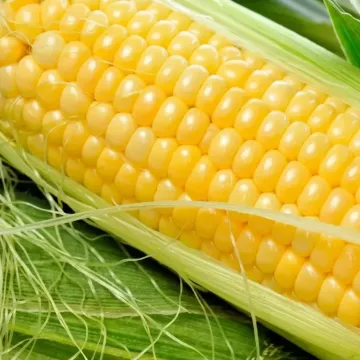
Maize
Zea L.
Maize is a heat-loving crop, so planting dates depend directly on soil temperature. The optimal period is when the upper soil layer at seeding depth warms up to +10...+12°C.
7
items
What the section contains
 Maize
Zea mays L.
7 787 products
Corn
Zea mays L. subsp. Mays
Maize
Zea mays L.
7 787 products
Corn
Zea mays L. subsp. Mays
 Maize
Zea mays L. subsp. mays (Maize Group)
Popcorn
Zea mays L. subsp. mays (Popcorn Group)
Sweet corn
Zea mays L. subsp. mays (Sweet Corn Group)
Teosinte
Zea mays L. subsp. mexicana (Schrad.) H. H. Iltis
Maize
Zea mays L. subsp. mays (Maize Group)
Popcorn
Zea mays L. subsp. mays (Popcorn Group)
Sweet corn
Zea mays L. subsp. mays (Sweet Corn Group)
Teosinte
Zea mays L. subsp. mexicana (Schrad.) H. H. Iltis
 Zea diploperennis
 H. H. Iltis et al.
Zea diploperennis
Zea diploperennis H. H. Iltis et al.
Marketplace
Products in this section · 12




Биоорганическое нано удобрение "НАГРО" / "NAGRO"
LLC NPO "BIOPLAN"
Fertilizers
43
25
·
11.2K
1 offer
365.08 €per pack
Buy

Stomp 330
БАСФ Агро БВ, Швейцарія, на заводі , Франція,Італія (Сієна)
Herbicides
7
3
·
10.9K
37 offers
10.67 €per 1 l
Buy

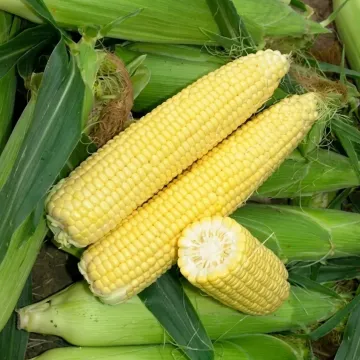


Maize
Depending on the region and the hybrid's maturity group, the planting season usually begins in late April and continues through mid-May. Planting too early into cold soil leads to a sharp decline in field emergence and vulnerability to soil-borne pathogens.
Ensuring uniform emergence requires precise seeding depth, typically between 4 and 8 centimeters, depending on soil moisture levels. On lighter sandy soils, deeper planting is acceptable, whereas shallower depths are recommended for heavy clay soils.
Seeding density is calculated based on the intended use: 60,000–80,000 plants per hectare for grain, while silage crops may have higher norms. Using precision planters allows for uniform distribution, which is critical for the development of fully formed ears.
Modern technologies include applying pre-emergence or post-emergence herbicides to control weeds during early growth stages. This allows the crop to avoid competition for light, water, and mineral nutrients during the critical 3–5 leaf growth phase.
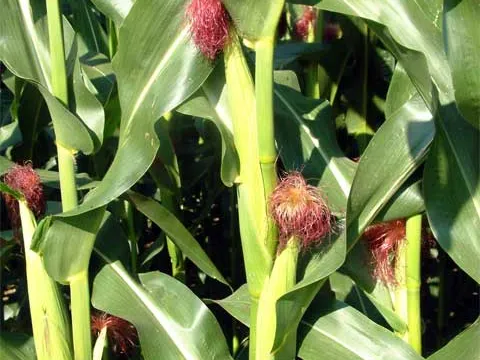
Maize is a highly productive annual plant of the grass family (Poaceae), originating from Central and South America. It possesses a powerful root system capable of penetrating up to 1.5–2 meters deep, making it relatively drought-tolerant, yet the crop remains highly demanding of intensive solar radiation.
For full development, maize requires an accumulated heat unit sum ranging from 2000 to 3000°C, depending on the hybrid's maturity. Even slight frosts can destroy the above-ground parts of the plant, making cultivation in northern latitudes difficult without considering early-maturing varieties.
Maize thrives best on fertile chernozem, chestnut, and structured loamy soils with a neutral or slightly acidic pH (6.0–7.0). The crop is extremely sensitive to soil compaction and waterlogging, requiring high-quality seedbed preparation.
A crucial aspect of agronomy is providing the crop with nitrogen, phosphorus, and potassium during critical growth stages, especially during tasseling. Mineral fertilizers are applied both during primary tillage and locally at planting to stimulate rapid initial growth.
The plant responds well to high soil fertility and inclusion in rotations with quality predecessors like winter wheat, legumes, or sugar beets. Continuous maize cropping is discouraged due to the high risk of accumulating specific diseases and pests in the soil.
The yield potential of modern maize hybrids under intensive management reaches 12–15 tons of grain per hectare. The final result depends on water availability during flowering and grain fill, when water demand peaks.
When grown for silage, average green mass yields range from 40–60 tons per hectare, providing livestock with high-energy feed. Field efficiency correlates directly with selecting a hybrid perfectly adapted to the specific climatic zone.
A critical yield factor is controlling weeds, which can reduce crop productivity by up to 40%. Regular monitoring of crop status allows for timely adjustments to protection and nutrient management plans.
Yield also depends on pollination quality, which can be disrupted by extreme heat (above +35°C) or moisture deficits. Under these conditions, pollen loses viability, leading to "kernel abortion" and incomplete ear filling.
The use of fertilizers, particularly micronutrients like zinc and boron, helps increase kernel set and total thousand-kernel weight. Economic efficiency is achieved through an optimal balance of costs for seeds, fertilizers, and crop protection products.
The European corn borer is among the most dangerous pests, with larvae damaging stems and ears, creating pathways for secondary fungal infections. Massive infestations can destroy up to one-third of the potential yield, making insecticide application during the moths' peak flight essential.
The Western corn rootworm (Diabrotica) poses a serious threat to roots, causing lodging and significantly reduced nutrient uptake. Control of this pest is managed through strict crop rotation and seed treatments prior to planting.
Major diseases include Fusarium, common smut, and head smut, which affect all plant parts from ears to the root system. High humidity, pest damage, and improper nutrient regimes contribute to the development of fungal infections.
To prevent disease spread, agronomists recommend using treated seeds and growing resistant hybrids. Timely removal of crop residues after harvest is also a mandatory phytosanitary control measure in the field.
- European corn borer
- Western corn rootworm
- Fusarium ear rot
- Common smut
- Root rot
Grain maize is harvested upon reaching full physiological maturity, when grain moisture drops to 25–30%. Currently, to reduce drying costs, harvesting at 18–22% moisture is considered optimal, requiring quick processing at grain elevators.
For silage, harvesting occurs at the dent stage, when dry matter content in the plant mass is about 30–35%. At this stage, the best balance between nutritional value and digestibility for livestock is achieved.
Using combine harvesters equipped with appropriate headers minimizes grain losses during reaping and threshing. Adjusting the threshing drum speed is crucial to avoid mechanical damage to the kernels, especially with high-yielding hybrids.
In regions with prolonged wet autumns, harvest may be complicated, necessitating the use of hybrids with high grain moisture dry-down rates. Such hybrids save significant fuel costs associated with artificial grain drying.
Timely harvest is critical, as standing in the field too long leads to lodging, increased risk of mold infections, and overall loss of grain quality. Logistics management for transporting the crop from field to storage is the final step in ensuring profitability.