
Teosinte
Zea mays L. subsp. mexicana (Schrad.) H. H. Iltis
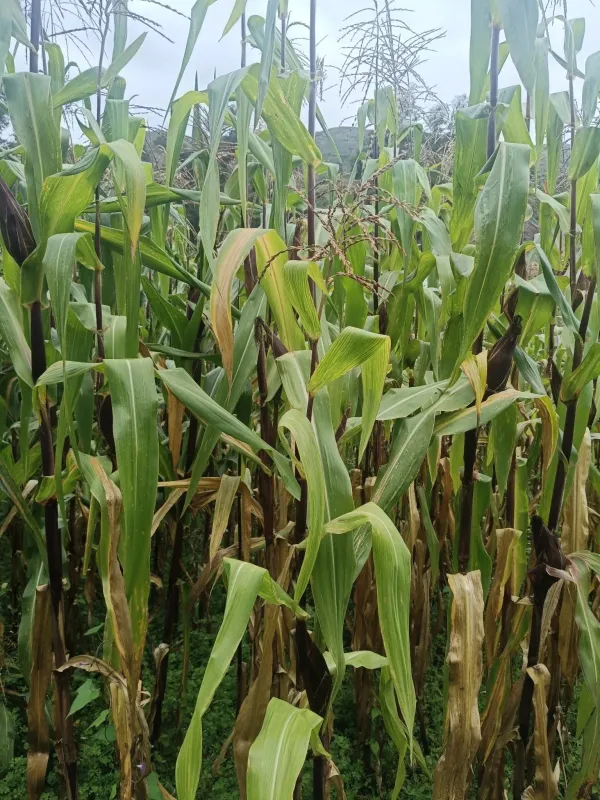
Description
Sowing dates
Teosinte sowing is carried out in soil warmed to a stable temperature of 12–15 degrees Celsius at seeding depth. Being a heat-loving crop, early sowing can lead to seedling loss from late frosts or stunted development.
The optimal sowing pattern involves row cropping with a spacing of 60 to 70 centimeters to allow for vigorous tillering. Sowing depth is typically between 3 and 5 centimeters, depending on soil texture and moisture levels.
Plant density must be adjusted based on the intended use: higher density is preferred for forage production, while lower seeding rates are used for seed multiplication.
The period from sowing to emergence takes 10 to 15 days under favorable conditions. During this stage, it is crucial to prevent soil crusting, which can significantly hinder seedling emergence.
Adhering to crop rotation is essential for preventing the buildup of soil-borne pathogens specific to maize-related species.
Growing requirements
Teosinte is an annual grass in the Poaceae family, widely recognized as the closest wild relative of domesticated maize. It is characterized by a robust root system and intense tillering, producing numerous lateral branches.
The crop has high heat requirements and prefers regions with long frost-free seasons. The optimal temperature range for active vegetative growth is between 22 and 30 degrees Celsius.
Teosinte is relatively undemanding regarding soil type, but it performs best on fertile loamy or chernozem soils with a neutral or slightly acidic pH level.
The plant exhibits high drought tolerance due to its specialized root structure, though maximum biomass yield is achieved with consistent moisture during the peak vegetative phase.
In temperate climates, growth may be restricted by day-length sensitivity and low temperatures at the end of the season, which is a key consideration for variety selection.
Yield
The primary use of teosinte is as a high-quality forage crop, known for its excellent palatability and nutritional value for livestock.
Biomass yield depends heavily on agronomic practices, moisture availability, and harvest timing. With proper management, the crop can provide multiple cuts per season due to its ability to rapidly regrow.
A biological advantage of teosinte is its ability to produce significant biomass in environments where traditional maize might struggle due to water stress or poor soil quality.
Nutritional metrics indicate high levels of protein, sugars, and fiber, making it a valuable addition to green forage supply chains for cattle.
Seed productivity is lower than that of modern maize, as teosinte requires specific environmental triggers for complete grain maturity.
Main diseases and pests
Teosinte shares many of the same pest risks as maize, including the European corn borer, wireworms, and various cutworm species that target the foliage.
Common diseases include bacterial infections and Fusarium outbreaks, which are more prevalent under conditions of high humidity or poor field management.
To prevent disease transmission, it is vital to use treated, high-quality seeds and maintain appropriate spatial isolation from commercial maize fields.
Fungal infestations can reduce total biomass and lower the quality of forage, requiring timely scouting and the application of biological protection measures.
Preventative practices, such as deep autumn plowing and effective weed control, are highly successful in mitigating the risk of pest outbreaks.
Harvesting
Harvesting for green forage should occur before the stems begin to lignify, typically during the flowering phase when the plant provides the most nutrients and is easiest for livestock to digest.
When multiple cuts are desired, the cutting height should be at least 10–15 centimeters above the soil line to ensure regeneration from the tillering nodes.
The use of modern forage harvesters allows for efficient cutting and chopping for silage production or immediate feed application.
When harvesting for seed, it is critical to wait until the ears reach full biological maturity, which may be challenging in northern climates due to the crop's late-maturing nature.
Efficient harvest management allows producers to leverage teosinte as a highly productive forage source, ensuring reliable feed supplies for their operations.