
Popcorn
Zea mays L. subsp. mays (Popcorn Group)
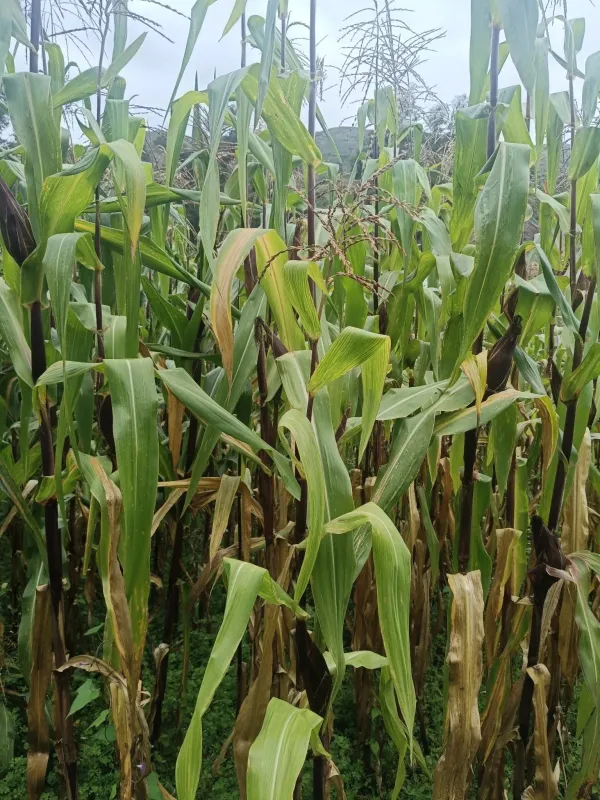
Description
Sowing dates
Popcorn (Zea mays L. subsp. mays (Popcorn Group)) belongs to the Poaceae family. Sowing is typically performed when soil temperatures at a depth of 10 cm reach 12–14 °C.
Optimal plant density ranges from 50,000 to 65,000 plants per hectare. Seeds should be sown at a depth of 4–6 cm, depending on the soil texture and moisture level.
Spatial isolation is vital; popcorn must be planted at least 300 meters away from other maize types to prevent cross-pollination, which destroys the kernel's popping quality.
Precision planters should be used to ensure uniform spacing, which leads to consistent ear size and easier mechanical harvesting later in the season.
Due to a longer growing season compared to sweet corn, early sowing is recommended to ensure the crop reaches full maturity before the first frost.
Growing requirements
Popcorn requires warm climates and fertile soils with good drainage. Neutral pH soils rich in organic matter provide the best results for this crop.
Sufficient water supply is essential during the pollination and grain-filling stages. Drought during these periods can significantly reduce yields and quality.
Balanced fertilization is necessary, focusing on nitrogen for early growth and potassium for stalk strength and improved kernel starch development.
The site must be fully exposed to sunlight, as lack of light during the vegetative stage results in delayed maturity and poorly filled cobs.
Regular cultivation and weed control are mandatory to minimize competition for nutrients and water, especially during the early stages of development.
Yield
Yields for popcorn are generally lower than for dent corn, typically averaging 3 to 5 tons of dry grain per hectare under intensive management.
The primary quality metric is the popping expansion volume. This depends heavily on the starch structure of the endosperm and proper drying techniques.
Failure to maintain kernel moisture levels at 13–14% during storage will cause the grain to lose its popping ability, rendering the crop commercially useless.
Producers should prioritize high-quality hybrid seeds known for their specific expansion rates to maximize market value and consistency.
Effective irrigation and nutrient management are the most significant factors in stabilizing yields across different growing seasons.
Main diseases and pests
The European corn borer is the most destructive pest, as it tunnels into stalks and ears, leading to lodging and lower grain quality.
Seedcorn maggots and wireworms can attack seeds and roots during germination, highlighting the importance of using professional seed treatments.
Common diseases include Fusarium ear rot and common smut, which thrive in humid conditions and can contaminate the grain with mycotoxins.
Root rots are frequently associated with monocropping; therefore, a proper crop rotation sequence is essential to keep soil-borne pathogens in check.
Integrated Pest Management (IPM) strategies, including scouting and timely chemical or biological intervention, are critical to protecting the harvest.
Harvesting
Harvesting should occur when grain moisture is between 20% and 25%. It must be completed before deep freezing temperatures occur to protect the embryo.
Post-harvest drying must be done carefully using low-temperature air to reach a 13–14% moisture content without damaging the outer hull of the kernel.
Mechanical harvesting requires specialized equipment settings to prevent physical damage to the pericarp, as any crack leads to a failure to pop.
Proper storage in clean, dry, and aerated facilities is necessary to prevent re-absorption of moisture and the growth of mold or pests.
Final processing involves cleaning, grading, and testing samples for expansion volume to ensure the product meets industrial quality standards.