
Anigozanthos pulcherrimus
Anigozanthos pulcherrimus Hook.
Description
Sowing dates
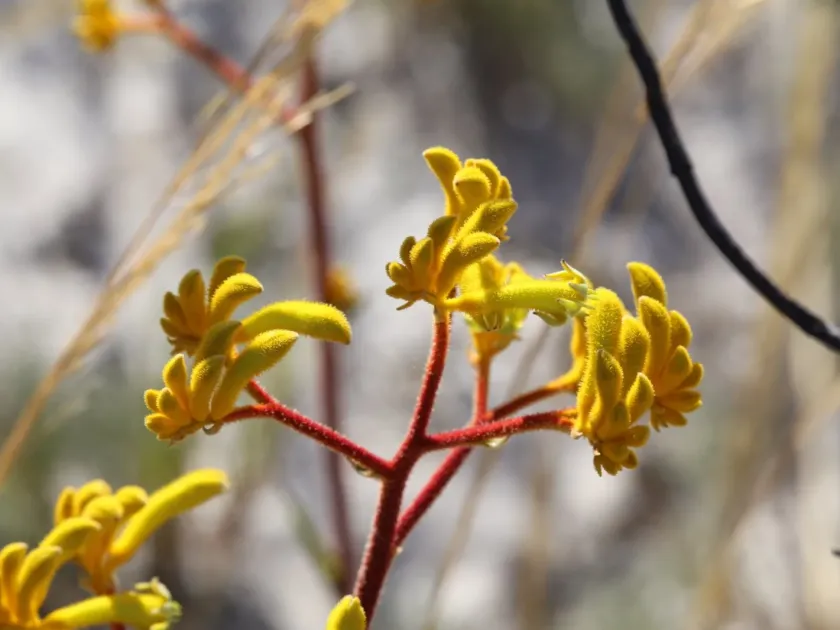
Anigozanthos pulcherrimus, commonly known as the yellow kangaroo paw, is a perennial herb belonging to the Haemodoraceae family. Propagation primarily occurs through seeds, which require specific conditions that mimic the natural post-fire environment of the Australian bush.
Seeds are sown in a well-draining, sterile substrate that is low in phosphorus. Surface sowing is recommended because the seeds need light exposure for germination, and they should be pressed lightly into the surface of the growing medium.
Maintaining a temperature range between 20 and 25 degrees Celsius is critical for optimal germination success. The substrate must remain consistently moist but never waterlogged to prevent fungal damping-off of the young seedlings.
Once the seedlings develop two true leaves, they are moved to individual pots or prepared beds. The transition phase is sensitive, requiring a gradual hardening-off process before exposing the young plants to full environmental conditions.
For large-scale commercial production, tissue culture (in vitro propagation) is preferred to ensure uniformity and disease-free plant stock. This method allows growers to maintain the superior ornamental traits of the specific species.
Growing requirements
This species is highly adapted to high-light environments and requires full, direct sunlight to produce its signature vibrant flowers. Lack of sufficient light results in leggy growth and significantly reduced blooming capacity.
Soil requirements are strict: the medium must be sandy, gritty, and exceptionally well-draining. The plant is prone to root rot, so growing it in raised beds or containers with high-quality porous substrate is a standard best practice.
The ideal climate for this plant is dry and warm with temperate winters. It does not tolerate heavy frosts or high humidity, as excess moisture in the air often leads to foliage diseases and compromised flower quality.
Irrigation must be precise, focused only on the root zone during the active growing season. During the dormant period, water usage should be drastically reduced to mimic the natural dry summer and winter cycle of its native habitat.
Fertilization must be approached with extreme caution, specifically regarding phosphorus levels. Use only slow-release fertilizers specifically formulated for Australian native plants, as high phosphorus levels can cause severe leaf necrosis.
Main diseases and pests
Fungal pathogens are the most significant threat to the yellow kangaroo paw, with ink spot disease (Alternaria) being a common issue in humid environments. Air circulation is the most effective preventative measure against these infections.
Root rot caused by Phytophthora species is a major risk for commercial plantations. Strict hygiene protocols, including using disease-free soil and sterilizing tools between tasks, are essential for maintaining crop health.
Insect pests such as aphids and spider mites frequently target the tender shoots and flower buds. Integrated pest management strategies, utilizing beneficial insects or targeted soap-based sprays, are recommended over heavy pesticide use.
Snails and slugs can inflict significant damage on young plants. Implementing physical barriers or using non-toxic bait around the perimeter of the crop area is standard practice to protect the foliage from grazing.
Monitoring for signs of stress is crucial, as environmental factors often weaken the plant, making it more susceptible to opportunistic pathogens. A proactive approach to plant health keeps the crop productive for longer periods.
Harvesting
Harvesting is conducted when the flowers on the main spike are at least 50% open. This stage ensures the best aesthetic appearance for the floral industry while maintaining the shelf life of the cut stems.
Stems should be cut using sterilized shears at the base of the flowering stalk, taking care not to damage the basal foliage. Harvesting is best performed in the cool morning hours to maximize moisture content in the tissue.
Post-harvest care involves immediate placement into clean water with floral preservatives to prevent wilting. Proper hydration at this stage is vital for successful transport and marketing of the product.
Stems are typically packed dry for transport in well-ventilated containers to prevent ethylene buildup and fungal growth. Keeping the transit temperature low is essential for long-distance shipping efficiency.
After the harvest is complete, field sanitation is paramount. Removing old stalks and debris prevents the buildup of pathogens, ensuring the health and vigor of the plants for the next growing season.