
Kangaroo paw
Anigozanthos flavidus DC.
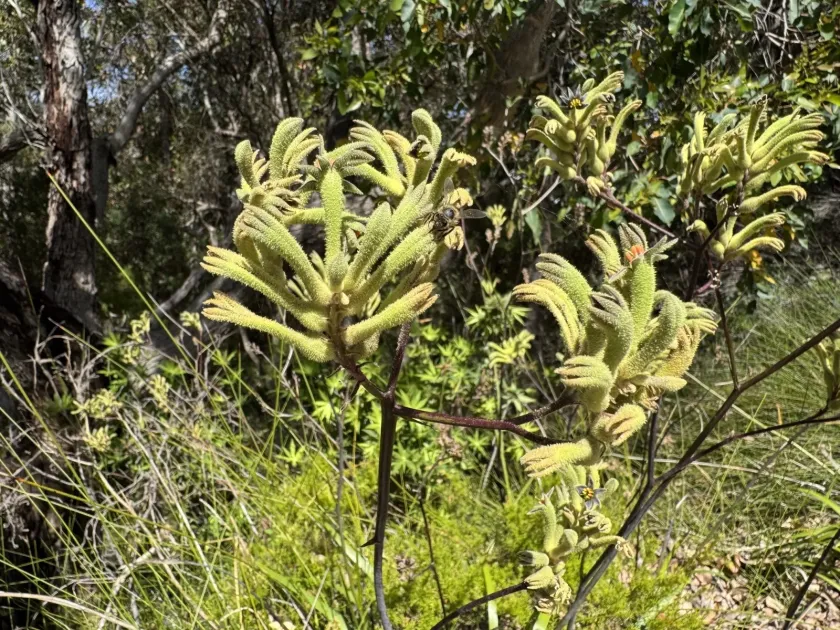
Description
Sowing dates
Propagation of Anigozanthos flavidus is most commonly achieved through seed sowing or vegetatively by dividing the rootstock. Seeds are sown in a well-drained substrate in late winter or early spring, maintaining a stable temperature between 20–25 degrees Celsius.
During sowing, seeds are only lightly covered with soil, as they require sufficient light for successful germination. The germination process can be slow, so maintaining consistent moisture without waterlogging the container is essential for success.
Vegetative propagation is performed after the flowering period by carefully splitting the rhizome into sections. It is important to ensure that each division has healthy growth points to allow the plant to adapt successfully after transplantation.
For commercial cut flower production, the seedling method is prioritized. Young plants are grown in greenhouses with controlled microclimates before being transplanted into open ground or permanent containers.
Choosing the right planting time is critical, as the species is highly sensitive to sudden drops in nighttime temperatures. The optimal period for permanent planting is once the threat of spring frost has completely passed.
Growing requirements
Anigozanthos flavidus, belonging to the Haemodoraceae family, is native to the southwestern regions of Australia. In its natural habitat, the plant prefers well-lit areas with light, sandy, and highly permeable soils.
Successful growth requires a high amount of solar exposure throughout the entire vegetation period. In conditions of insufficient light, flower stalks become weak, and the color saturation of the inflorescences significantly diminishes.
The soil substrate should have a neutral to slightly acidic pH level. A key requirement is the absence of standing water, as the root system is highly susceptible to rot if overwatered during the cooler seasons.
In temperate climates, the crop is grown in pots or greenhouses, as it cannot withstand freezing temperatures. The optimal temperature range for active growth is between 18 and 28 degrees Celsius.
Fertilizers should be applied sparingly during the growth phase, prioritizing formulas with low phosphorus levels, as this element can be toxic to many Australian flora species.
Main diseases and pests
The primary biological threat to Anigozanthos is leaf rust caused by pathogenic fungi. The disease manifests as dark spots that spread rapidly under conditions of high air humidity.
To prevent fungal diseases, it is necessary to provide adequate ventilation for the crops. Excessive planting density in greenhouses contributes to air stagnation and significantly increases the risk of epiphytotic outbreaks.
Among pests, aphids and spider mites pose the greatest danger. These insects feed on plant sap, hindering growth and acting as vectors for various viral diseases that affect the flower stalks.
Pest management includes preventive spraying with biological preparations. Chemical plant protection products should only be used when insect populations reach threshold levels, with strict adherence to dosage guidelines.
Root rots are typically the result of irrigation management errors. Regular inspection of the root collar and the use of fungicides when necessary help maintain the plant's health and vitality over many years.
Harvesting
The commercial use of Anigozanthos flavidus is primarily focused on the production of high-quality cut flowers. Its unique, velvety inflorescences, resembling kangaroo paws, retain their decorative value for a long time in vases.
Harvesting is conducted during the early morning hours when the inflorescences are half-open. Using sharp tools minimizes damage to the stem, which significantly prolongs the vase life after removal from the mother plant.
After cutting, the stems are immediately placed in clean water mixed with specialized floral preservatives. This prevents bacterial growth in the vascular system and helps maintain petal turgor for a longer duration.
In commercial operations, the harvest is sorted by stem length and bud opening stage. Careful packaging is used to prevent mechanical damage to the delicate, fuzzy inflorescences during transport to the marketplace.
Regular removal of spent inflorescences stimulates the plant to form new shoots. This practice effectively extends the overall decorative usage period of the crop within a single season.