
Anigozanthos hybrid
Anigozanthos viridis x Anigozanthos manglesii
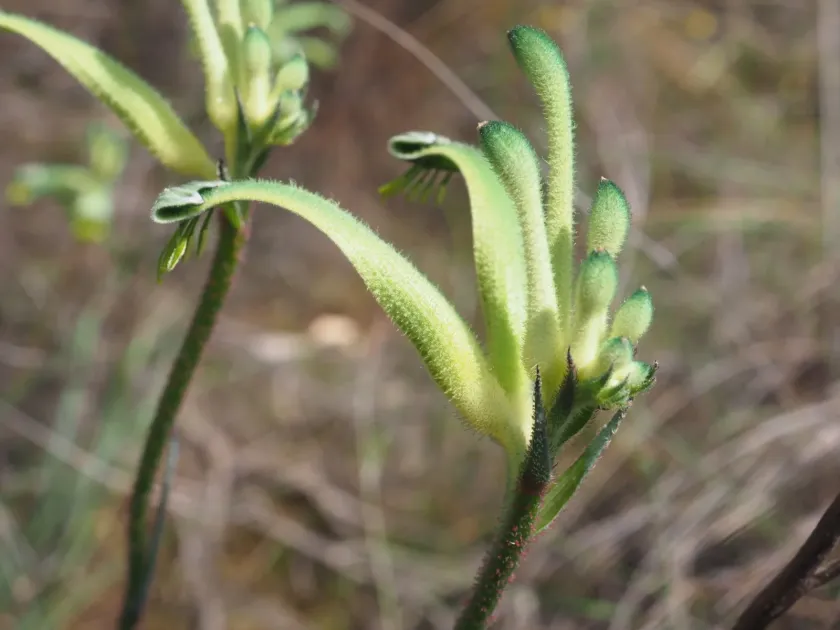
Description
Growing requirements
The Anigozanthos hybrid, a cross between Anigozanthos viridis and Anigozanthos manglesii, is a member of the Haemodoraceae family. Originating from Western Australia, it is prized as a unique ornamental crop.
This plant thrives in full sun exposure. In greenhouse conditions, it requires maximum light intensity to ensure the development of sturdy, vibrant flower spikes.
Temperature management is critical: it requires a climate ranging between 18°C and 25°C. It is highly sensitive to frost, necessitating controlled environments for year-round cultivation.
Soil requirements focus on extreme drainage and low phosphorus levels. Standard potting mixes should be amended with perlite or coarse sand to prevent compaction and moisture retention.
Watering must be carefully managed. The substrate should be allowed to dry slightly between waterings, as the plant is highly susceptible to root system degradation in wet conditions.
Main diseases and pests
Fungal diseases are the primary threat, specifically leaf spot caused by Alternaria species, which thrives in humid and stagnant air conditions.
Pests such as aphids and spider mites can cause significant damage to the floral spikes, leading to reduced aesthetic quality and market value.
Root rot pathogens, such as Phytophthora, are common in poorly drained growing media and are often fatal to the plant if not managed quickly.
Snails and slugs are opportunistic pests that can destroy young foliage and developing flower buds, especially in outdoor or semi-open cultivation systems.
Integrated pest management (IPM) strategies, including biological control and routine cleaning, are essential for maintaining the health of an Anigozanthos crop.
Harvesting
Anigozanthos is grown primarily for the cut-flower market, valued for its distinctive "kangaroo paw" shape and long vase life compared to other exotic varieties.
Harvesting is performed by cutting the floral stem when approximately 50% of the individual florets are open, ensuring the stem remains firm and upright.
Post-harvest handling involves placing the stems in clean, cool water to maintain turgidity and preventing any damage to the delicate, felt-like hairs on the flowers.
Storage at cool temperatures (+4°C) is recommended for commercial shipments to maintain the quality and colour intensity of the unique flower spikes.
Regular harvesting of mature stems promotes secondary vegetative growth and extends the productive lifespan of the parent plant in a commercial greenhouse setting.