
Anigozanthos bicolor hybrid
Anigozanthos bicolor x Anigozanthos humilis
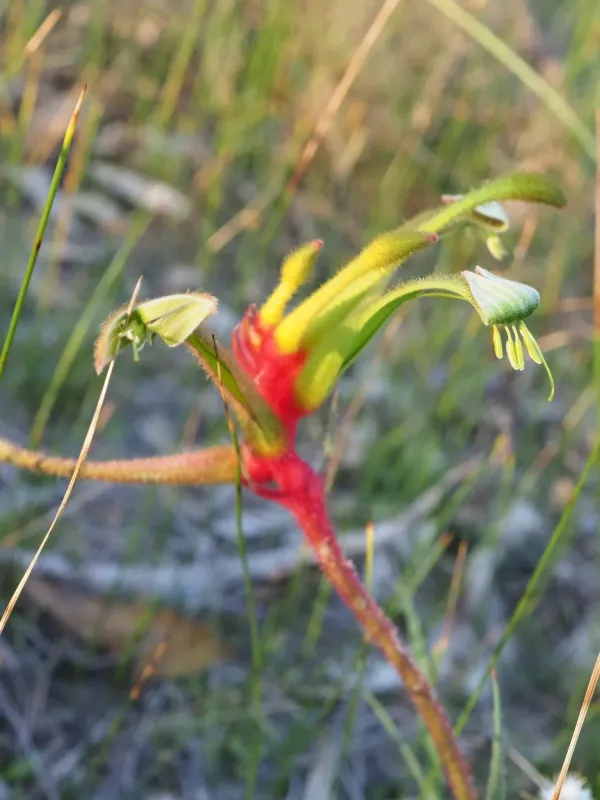
Description
Sowing dates
Propagation of the Anigozanthos hybrid by seed requires adherence to specific temperature ranges for successful stratification and germination. Sowing is typically performed in late winter or early spring using a loose, well-draining substrate with low phosphorus content.
The germination temperature should be maintained between 18 and 22 degrees Celsius to ensure uniform seedling emergence within several weeks. It is crucial to avoid overwatering the seed trays, as seeds are highly prone to rotting in waterlogged soil.
Once true leaves appear, seedlings are transplanted into individual pots, ensuring access to intense light. The use of growth regulators can help in forming a compact and well-branched plant structure.
Vegetative propagation via rhizome division is carried out in spring when the plant exits its dormant phase. This method ensures the preservation of the hybrid's specific varietal traits, which is often difficult to achieve through seeds alone.
Young plants must be gradually acclimated to direct sunlight to prevent leaf scorch. In regions with temperate climates, transplanting into open ground should only occur after the risk of late frosts has completely passed.
Growing requirements
Anigozanthos hybrid belongs to the Haemodoraceae family and is native to Australia, which dictates its high demand for bright, direct sunlight. In low-light conditions, the plant becomes leggy, loses its inflorescence appeal, and becomes susceptible to fungal infections.
Successful cultivation requires light, sandy, or loamy soils with excellent water permeability. Any stagnation of moisture in the root zone is strictly prohibited, as it leads to rapid development of root rot processes.
Irrigation should be moderate and regular during the active growing season, taking care not to allow water to settle on the fuzzy leaves and flowers. During winter, the plant requires a significant reduction in watering and should be kept in dry conditions.
The crop is extremely sensitive to excess phosphorus fertilizers, which can cause necrosis of the leaf margins. It is recommended to use specialized fertilizers formulated for proteas or Australian plants with minimal phosphorus content.
In climates unlike the Australian Mediterranean, the plant is grown as a greenhouse or container crop. Optimal air humidity should be around 50-60 percent, accompanied by good ventilation of the growing space.
Main diseases and pests
One of the most serious problems in Anigozanthos cultivation is "ink spot" leaf disease, caused by the fungus Alternaria. This disease manifests as dark spots that spread rapidly in conditions of high humidity and poor air circulation.
Among pests, aphids and spider mites represent the greatest threat, attacking young flower stalks and tender leaf tissue. Systemic insecticides or biological control methods are used to combat them, avoiding oily formulations that can damage the fuzzy foliage.
Slugs and snails may damage the lower leaves of the plant during periods of high humidity. Regular weeding and the use of protective barriers around containers help reduce the risk of infestation by these pests.
Root rot, resulting from improper watering regimes, is practically incurable. Prevention is the only viable strategy: use sterile substrate and ensure proper drainage layers are placed at the bottom of the pots.
Viral diseases may manifest as leaf deformation and discoloration of the petals. Infected specimens should be immediately isolated or destroyed, as the infection spreads rapidly via insect vectors.
Harvesting
The Anigozanthos hybrid is widely used in floriculture as a valuable cut flower, retaining its aesthetic appeal in a vase for up to two or three weeks. Harvest of the flower stalks should occur when approximately one-third of the florets on the raceme have opened.
Cutting is best performed in the early morning hours when the plant tissues are fully turgid, which helps preserve freshness for longer. The cutting tool must be sharp and disinfected to prevent the transmission of pathogens.
After cutting, it is recommended to slightly trim the base of the stalks and place them in clean water at room temperature. Removing lower leaves that might end up submerged prevents the premature growth of bacterial flora.
Hybrid stalks possess a unique velvet-like texture, making them highly sought after in floral arrangements. They are also excellent for dried flower compositions if dried in an inverted position in a dark, well-ventilated area.
In commercial production, productivity is measured by the number of marketable flower stalks produced per plant per season. Depending on cultural conditions, a single plant can produce 5 to 15 high-quality stalks when proper pruning techniques are applied.