
Mangles' Kangaroo-paw
Anigozanthos manglesii D. Don
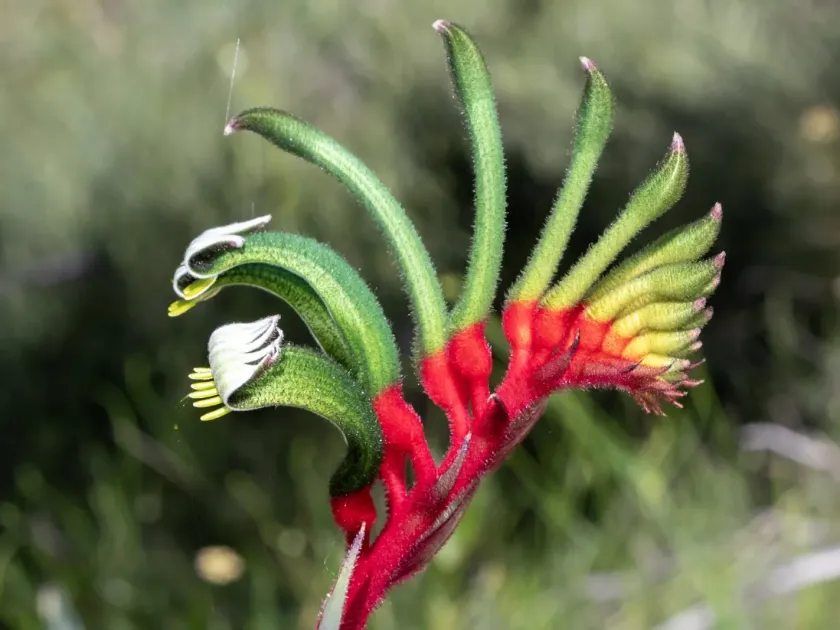
Description
Sowing dates
The sowing of Mangles' Kangaroo-paw seeds is typically carried out in late winter or early spring to allow plants to establish themselves before the peak growing season. The optimal germination temperature ranges between +20 and +25 degrees Celsius.
Seeds should be sown in a well-drained, porous substrate consisting of sand and peat, ensuring they are lightly covered. The germination process can be prolonged, so maintaining consistent moisture without waterlogging the seedbed is essential for successful emergence.
In many cases, seed germination is stimulated by smoke treatments, which mimic the natural conditions following Australian bushfires. Utilizing specialized smoke-impregnated water or priming treatments can significantly improve the percentage of seedling emergence.
Once the first true leaves appear, seedlings should be pricked out into individual pots. This practice promotes the development of a healthy root system, which is vital for the future flowering performance of this species within the Haemodoraceae family.
Transplanting into open ground or permanent containers must only occur after the risk of frost has passed. The plant is extremely sensitive to cold, so the transition should be managed carefully to ensure the plant acclimates to its new environment.
Growing requirements
Mangles' Kangaroo-paw is endemic to Western Australia and has specific environmental requirements. The culture thrives in sunny locations protected from strong winds, where it receives maximum light intensity throughout the day.
Soil must be primarily sandy with excellent drainage properties. Water stagnation is detrimental to the root system, making the use of raised beds or high-perlite substrates essential in heavier soil types.
As the plant is adapted to nutrient-poor soils, excess phosphorus fertilizer can be toxic. It is recommended to use specialized low-phosphorus fertilizers designed for proteoid-root plants to avoid nutrient burn and stunted development.
In greenhouse conditions, effective air circulation is required. Stagnant, humid air around the foliage and flower spikes often triggers fungal infections to which this culture is particularly susceptible.
Relative air humidity should be kept moderate. During the active growing period, the plant requires regular watering at the base, while during the winter dormancy period, watering must be significantly reduced to prevent root rot.
Main diseases and pests
The primary biological threats to Mangles' Kangaroo-paw are fungal diseases that flourish in high humidity. A common issue is ink spot disease, characterized by dark lesions appearing on the leaves and stems during damp weather.
Root rot, often caused by improper irrigation techniques or poor drainage, can destroy the plant rapidly. Prevention focuses on strict adherence to watering regimes and ensuring that water does not splash onto the foliage during application.
Pests such as snails and slugs pose a significant threat to young shoots and the base of the flower stalks. In greenhouse settings, aphids and spider mites may also appear, requiring timely intervention with appropriate insecticides.
In the event of fungal infestation, immediate removal of damaged plant parts and disinfection of tools are necessary. Maintaining high sanitary standards in the growing area helps prevent the spread of fungal spores to healthy plants.
Regular inspections of the base of the rosette allow for the early detection of pests. Using gravel mulch around the base of the plant reduces contact between damp soil and foliage, further decreasing the risk of primary infection.
Harvesting
Harvesting Mangles' Kangaroo-paw for the floral industry is conducted when the first two or three flowers on the spike have opened. This stage ensures the best aesthetic quality and longevity of the inflorescences in a vase.
Cutting should be performed with a sharp, sterile tool to ensure a clean wound that does not lead to stem decay. The cut stems should be placed in clean water immediately to prevent dehydration and loss of turgor.
Harvesting is best done in the early morning hours when the plant's turgor is at its highest. This practice significantly extends the vase life of the flowers during subsequent transport and retail sales.
After the flower spikes are harvested, the plant enters a resting phase. It is important to clean the bush of any wilted remains to stimulate renewed growth and subsequent flowering in the following season.
Transport requires maintaining a stable temperature range that prevents overheating. Due to their dense structure and characteristic woolly hairs, the flowers handle short-term transport well, maintaining their market appeal.