
Anigozanthos bicolor
Anigozanthos bicolor Endl.
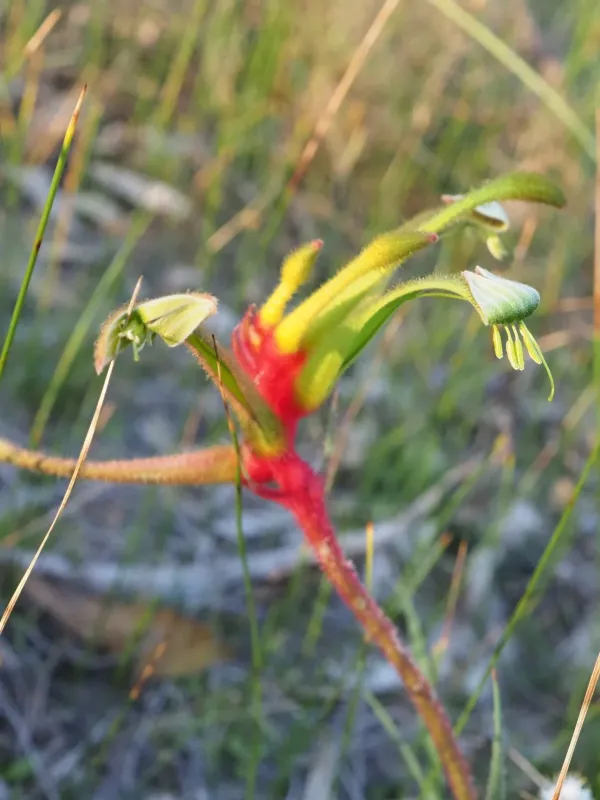
Description
Sowing dates
Sowing seeds of Anigozanthos bicolor is best performed in early spring, when daylight duration begins to increase significantly. This timing provides seedlings with the necessary energy for establishing a robust root system before the peak summer heat arrives.
The optimal germination temperature should be maintained between 22 and 25 degrees Celsius. Utilizing a heated propagation mat can significantly improve success rates, ensuring that the seeds remain warm enough to break dormancy consistently.
A well-draining, sandy-based substrate is essential for seed germination. The seeds should be sown shallowly, as they require light to germinate; covering them with a thick layer of soil will inhibit the process and lead to poor results.
It is vital to maintain consistent but light moisture levels during the germination phase. Over-watering is the primary cause of seedling mortality, as the delicate roots of the Kangaroo Paw are highly susceptible to dampening-off diseases.
Transplanting seedlings into individual containers should occur once the first pair of true leaves is fully developed. Great care must be taken to minimize root disturbance, as the plant is notoriously sensitive to such handling, often resulting in a prolonged recovery period.
Growing requirements
Anigozanthos bicolor, a member of the Haemodoraceae family, is endemic to the southern regions of Western Australia. The plant is evolutionarily adapted to thrive in harsh, nutrient-poor, sandy soils that remain dry for long periods throughout the year.
Abundant direct sunlight is the most critical factor for healthy growth. Plants kept in shaded environments will fail to produce their iconic, fuzzy, two-colored flowers and will likely become leggy, lose their compact shape, and eventually cease to grow.
The soil profile must be characterized by excellent aeration and drainage. Heavy, clay-rich soils are entirely unsuitable for this species, as they retain moisture for too long, which inevitably leads to the decay of the plant's sensitive root system.
The ideal temperature range is between 18 and 28 degrees Celsius. While the plant can tolerate short periods of heat, it requires protection from extreme cold and frost, as it does not possess the hardiness of temperate zone perennials.
Agricultural management should focus on a "dry-wet" cycle, where the soil is allowed to dry out almost completely between irrigation sessions. Fertilizer use should be sparing, specifically choosing phosphorus-free formulas, as native Australian plants often react poorly to high levels of phosphorus.
Main diseases and pests
The most significant threats to Anigozanthos bicolor are fungal root and crown rots, such as those caused by Phytophthora species. These diseases are almost always linked to poor drainage or the accumulation of excess water around the base of the plant.
Spider mites represent the most common pest, especially in indoor environments or greenhouses with low humidity. These pests feed on the foliage, leading to yellowing and a general decline in the plant's overall aesthetic and physical health.
Aphids and mealybugs can also infest the plant, particularly during the flowering season, clustering on the developing buds. These insects can cause physical deformation of the flowers, reducing their market value as cut flowers or ornamental specimens.
Leaf spotting diseases, caused by various fungal pathogens, may appear if air circulation is insufficient. Maintaining a clean environment and ensuring adequate space between plants are the best preventative measures against these common biological threats.
- Regular inspection for signs of mite webbing or aphid colonies.
- Prioritizing good air flow to prevent fungal leaf pathogens.
- Careful monitoring of soil drainage to mitigate root rot risks.