
Twisted yellow-eyed grass
Xyris torta
Description
Growing requirements
Twisted yellow-eyed grass (Xyris torta) is a perennial plant belonging to the Xyridaceae family. It is native to the eastern regions of North America, where it thrives in moist, sandy soils.
The plant is specifically adapted to wetlands, including bogs, swamps, and moist meadows. It requires a substrate that remains consistently wet throughout the entire growing season to prevent desiccation.
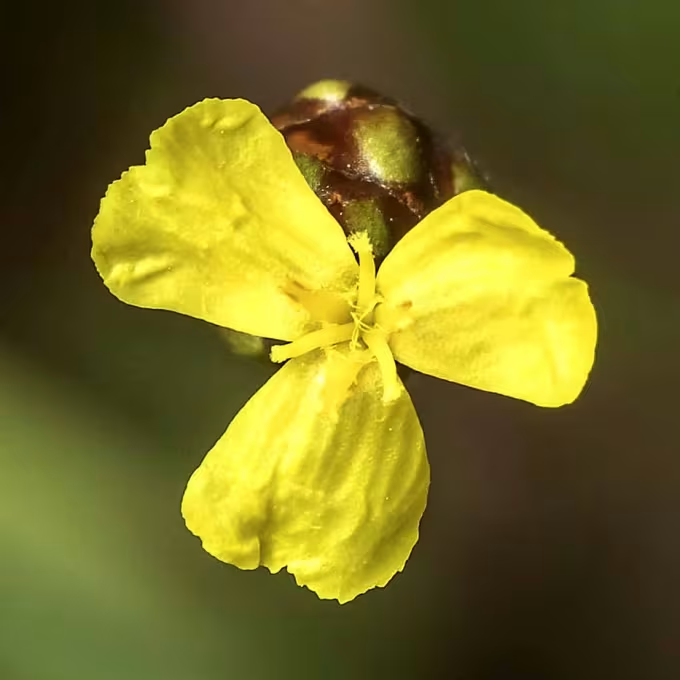
Its botanical defining feature is the presence of leaves that are noticeably twisted or spiraled. The plant produces solitary, stiff, leafless stalks that support a dense, cone-like flower spike at the tip.
Cultivation requires full sun exposure. In nature, this plant is frequently found in open areas where there is no canopy cover to impede sunlight for its photosynthetic processes.
Soil chemistry is a critical factor for this species. It prefers acidic, nutrient-poor conditions, often found in peat-based or sandy wetlands, and does not respond well to enriched agricultural soil.
Harvesting
The primary use for Xyris torta is aesthetic in native plant gardens or specialized wetland restoration projects. It is valued for its unique structural appearance and bright yellow blooms.
Harvesting for seed production is generally done at the end of the summer season when the flower spikes turn from green to a deep, dark brown color, indicating maturity.
The seeds are harvested by carefully clipping the dried spikes and storing them in paper bags to capture the fine seeds as the capsules dry out and split open.
There are no significant agricultural threats or pests for this species in a garden setting, as it is naturally resistant to many common pathogens found in traditional vegetable crops.
For gardeners, the maintenance involves minimal intervention, primarily focusing on protecting the moisture levels of the soil and ensuring that competition from aggressive weeds is kept to a minimum.