
Xyris barteri
Xyris barteri
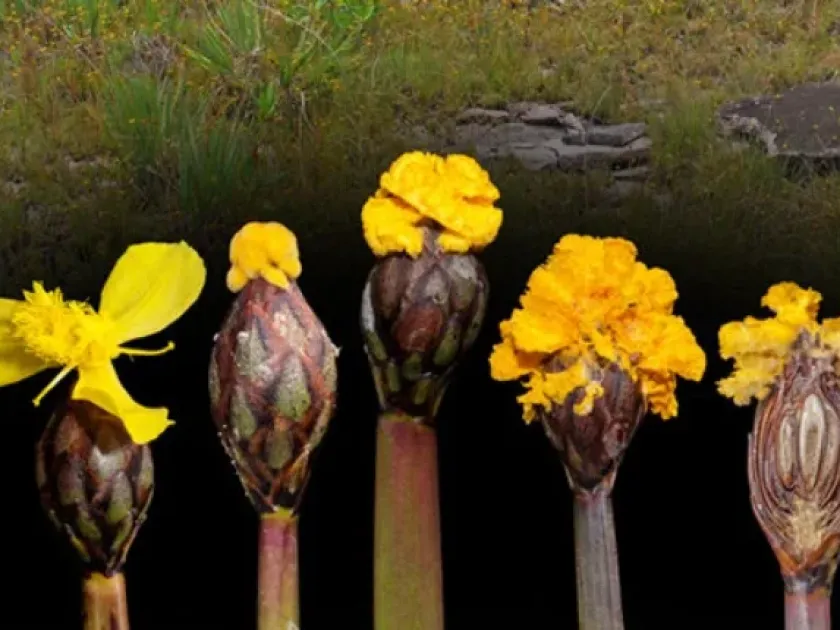
Description
Sowing dates
The sowing of Xyris barteri is ideally timed with the onset of the rainy season to ensure the constant high humidity required for germination.
In controlled environments, seeds can be sown throughout the year provided that the substrate temperature is kept within the 25–28 degree Celsius range.
Seed dormancy is a common physiological challenge, which can be overcome by soaking the seeds in warm, aerated water for several days before sowing.
Light is a critical factor for germination; therefore, seeds should be sown on the surface of a fine-textured, acidic medium without being buried deeply.
Proper spacing is recommended to allow the rosettes to expand, preventing overcrowding which can lead to moisture retention and fungal outbreaks.
Growing requirements
Xyris barteri is a member of the Xyridaceae family, naturally adapted to boggy, nutrient-poor, and highly acidic wetland habitats.
The species requires high levels of ambient light to maintain its metabolic processes and prevent etiolation of the leaves.
A soil mixture consisting of peat, sand, and sphagnum moss is ideal for mimicking its natural swampy environment while ensuring low pH levels.
Water quality is paramount; the use of distilled or rainwater is preferred as the plant is highly sensitive to dissolved salts and minerals.
Consistent temperature regulation is necessary as this species thrives in tropical climates and shows poor tolerance for cooler conditions.
Main diseases and pests
Fungal infections in the root zone are the most significant threat to Xyris barteri, often caused by stagnant water and lack of oxygenation.
Root rot, characterized by discoloration and softening of the base, requires immediate attention including improving water circulation.
Pests such as aquatic snails and small leaf-eating larvae can cause damage to the foliage, especially during the early growth stages.
Nematodes present a hidden danger by infesting the roots, which can weaken the plant's structural integrity and overall vigor.
Integrated pest management, focusing on maintaining clean water and healthy growing conditions, is the best strategy for disease prevention.