
Yellow-eyed grass
Xyris laxifolia
Description
Growing requirements
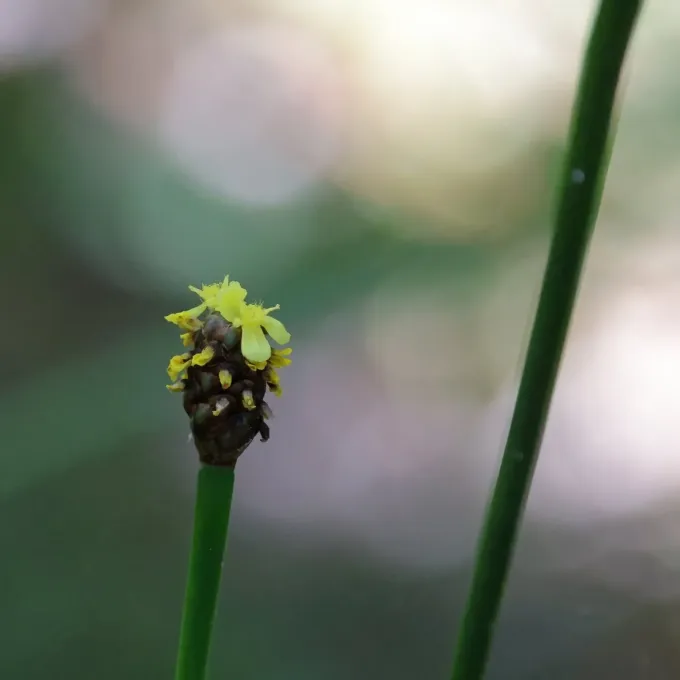
Yellow-eyed grass (Xyris laxifolia) is a distinctive perennial herbaceous plant belonging to the Xyridaceae family. Known for its grass-like foliage and vibrant yellow flowers on slender stalks, it serves as a unique component in wetland environments.
The species originates from tropical and subtropical regions of the Americas, where it is typically found in wetlands, swamps, and along lake margins. It is well-adapted to anaerobic conditions often found in saturated soil environments.
To cultivate Xyris laxifolia effectively, it requires consistently moist to waterlogged soil conditions. It thrives in acidic substrates, often preferring peaty or sandy soils that remain damp throughout the year.
Climate requirements for this plant are centered on its need for warmth and protection from frost. While it excels in tropical climates, cultivation in cooler regions requires intensive management to protect the root zone from freezing temperatures.
Exposure to full sunlight is critical for the development of healthy foliage and the production of flowering spikes. Positioning the plant in a fully lit area is essential, as the species does not tolerate shade or competitive crowding from taller vegetation.
Main diseases and pests
Xyris laxifolia is generally resistant to many agricultural pests, though it can be affected by insects that target riparian vegetation. Leaf-feeding larvae can cause significant aesthetic damage if left unmanaged during the peak growth season.
Fungal pathogens may emerge in stagnant water environments where air circulation is poor. Excessive water temperatures, combined with nutrient imbalance, can lead to basal rot, which is particularly detrimental to the root system.
Non-infectious threats often include mineral deficiencies when the plant is grown in containers or restricted environments. Periodic water analysis is recommended to ensure the acidity level remains within the optimal range for the species.
Weed management is a frequent concern as the plant develops slowly. Removing invasive plants that may shade out the slow-growing Xyris is crucial during the early stages of establishment.
Preventative measures, including ensuring optimal drainage-moisture balance and maintaining healthy site sanitation, remain the most effective methods for managing plant health in this crop category.