
Xyris fimbriata
Xyris fimbriata
Description
Sowing dates
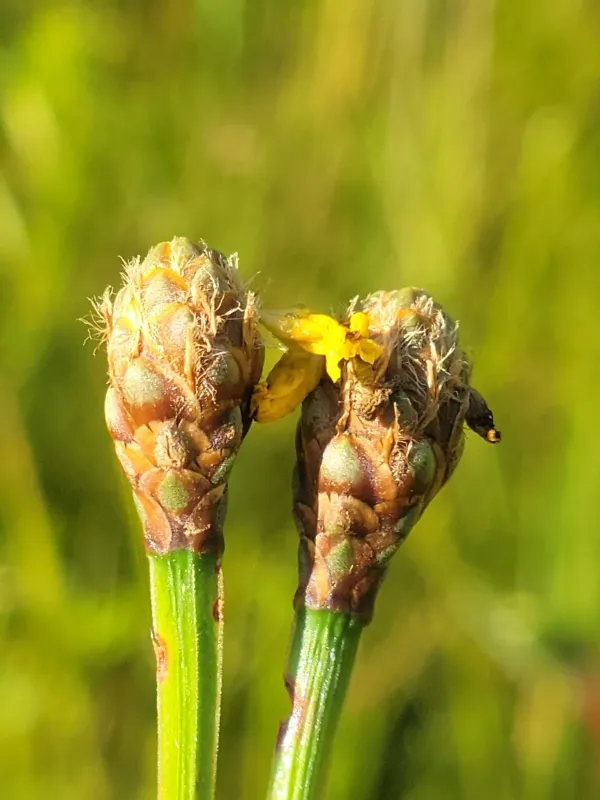
Xyris fimbriata, commonly known as the fringed yellow-eyed grass, is a perennial herb belonging to the Xyridaceae family. Propagation is primarily achieved through seeds which develop within dense, terminal flower heads.
The optimal sowing period is determined by soil temperature, which needs to be consistently warm to facilitate germination. Seeds generally require a period of moisture-rich stratification to break dormancy and ensure uniform emergence.
When cultivating in nurseries, seeds should be sown on top of a peat-based substrate. Due to their minute size, they require ample light exposure, meaning they should not be covered with soil during the sowing process.
During the seedling stage, maintaining a light cycle of 12 to 14 hours is essential for healthy development. Constant surface moisture is required, as the root systems of young plants are extremely sensitive to desiccation.
Transplanting into open ground or specialized wetlands should only occur after the risk of frost has passed. Plants require a gradual acclimation period to withstand outdoor environmental conditions and fluctuations in humidity.
Growing requirements
As a hydrophytic plant, Xyris fimbriata requires constantly wet or waterlogged soil conditions to thrive. It naturally occurs in wetlands and boggy areas, making high soil moisture a non-negotiable requirement for cultivation.
The plant is native to subtropical regions of North America. It prefers environments with high atmospheric humidity, which helps maintain the turgor pressure of its distinctive, grassy foliage.
Sunlight requirements are high; the plant is strictly heliophilous and cannot tolerate shading from surrounding vegetation. Full sun exposure is necessary for the plant to achieve its potential growth and flowering intensity.
The substrate must be acidic, with an ideal pH range between 4.5 and 5.5. Standard fertilizers are often ineffective or even detrimental, as the species is evolutionarily adapted to nutrient-poor, boggy environments.
An optimal temperature range for active growth is between 20 and 30 degrees Celsius. During the winter, the plant enters a period of dormancy; however, the rhizome must be kept from freezing to ensure regrowth in the spring.
Main diseases and pests
The primary threat to Xyris fimbriata involves fungal pathogens affecting the root system, often caused by stagnant and poorly oxygenated water. Ensuring a minimal flow or replacement of water in cultivation sites is vital.
Pests such as leaf-eating insects can become a concern during the peak growing season. Frequent monitoring of leaf health is recommended to catch infestations early and manage them without the use of harsh chemicals.
Invasive weeds pose a significant threat by competing for space and nutrients. Regular maintenance of the habitat is necessary to prevent these aggressive species from crowding out the Xyris population.
Chemical sensitivity is a hallmark of the species; it cannot tolerate pollution or high mineral content in the water. Rainwater or naturally purified water sources are highly recommended for irrigation.
Improper planting depth is a common threat, specifically burying the crown too deep, which leads to rapid rhizome rot. Proper placement at the water-soil interface is crucial for the long-term survival of the specimen.